close
Choose Your Site
Global
Social Media


 |


| Quantity: | |
|---|---|

| Introduce the basic functions of the product |
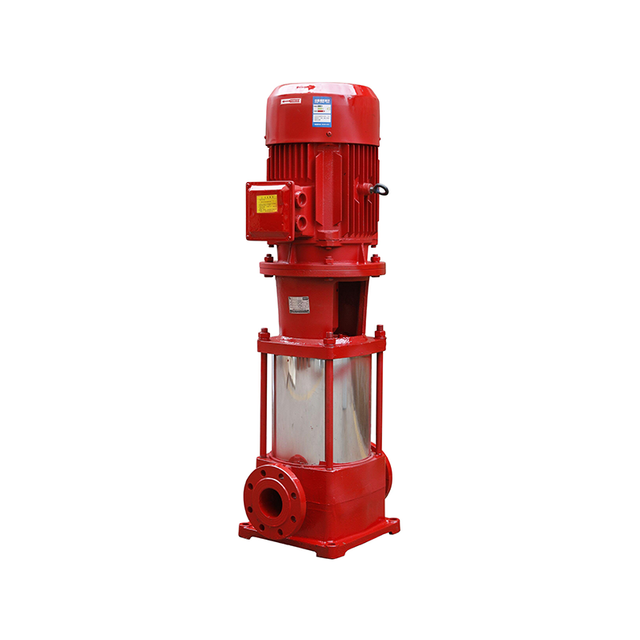
1. High-rise water pressure boosting system It meets the vertical water supply needs of high-rise buildings and residential communities, and ensures stable water pressure on each floor. 2. Constant pressure flow output It adapts to flow fluctuations during peak water usage periods, maintains constant system pressure, and avoids sudden changes in water pressure. 3. Multi-scenario media delivery It can transport room temperature clean water and liquids with similar physical and chemical properties, and is compatible with industrial circulation, boiler feedwater and other working conditions. 4. Low-noise and stable operation Optimize the hydraulic structure to reduce operating noise and vibration, and meet the requirements of quiet buildings. |
| Usage Environment |
1. Media requirements: It can deliver room temperature clean water and clean liquids with similar physical and chemical properties. 2. Installation scenario: Suitable for well-ventilated and dry indoor spaces, including pump rooms in high-rise buildings and equipment rooms in industrial plants. 3. Power supply requirements: 380V three-phase power frequency power supply, suitable for stable power grid environments. 4. Operating Conditions: Avoid harsh environments with dust, corrosive gases, and severe vibrations. |
| Product Advantages |
1. High-voltage stable supply: The multi-stage impeller design provides ample head to meet the vertical water supply needs of high-rise buildings, and ensures stable pressure output. 2. Compact and space-saving: The vertical structure occupies a small area, making it suitable for narrow installation environments such as pump rooms. It also features uniform inlet and outlet diameters and easy pipeline connection. 3. High efficiency and low consumption: The optimized hydraulic model results in high operating efficiency and low energy consumption; coupled with a high-quality mechanical seal, it has a low failure rate and low maintenance costs. 4. Quiet and reliable: The hydraulic balance design reduces vibration, and the unique flow-through components reduce operating noise, supporting long-term continuous operation. 5. Flexible adaptation: The head can be adjusted by adding or removing impeller stages, and the inlet and outlet directions can be flexibly switched to adapt to various installation needs. |
| Technical parameters |
| type | LG high-rise building water supply pump |
| Material | Cast iron, stainless steel 304/316 |
| Driver type | electric |
| Installation type | Vertical |
| Maximum caliber | DN80 |
| Maximum flow | 50m³/h |
| Maximum head | 150m |
| Maximum power | 30kW |
| Protection level | IP54 |
| Insulation class | F-level |
| Standard voltage | 380V/660V |
| Product Uses |
1. Residential Sector: Pressurized water supply for high-rise and super high-rise residential communities 2. Commercial buildings: Constant pressure water supply for office buildings, shopping malls, and hotels 3. Industrial Support: Factory production water and boiler feedwater system 4. Public facilities: Water supply for hospitals, schools, and municipal buildings |
| Product Operation Guide |
1. Before powering on: Check the power supply and seals, purge the air from the pump, and confirm the valve status. 2. Startup: Connect the power supply, run under no-load test, and gradually open the outlet valve to adjust to the rated pressure. 3. Running: Monitor water pressure, current, and noise; overpressure and idling are prohibited. 4. Shutdown: First close the outlet valve, then disconnect the power supply. Clean the pump body and inspect vulnerable parts regularly. |
| Frequently Asked Questions |
1. Unstable water pressure: Improper adjustment of inlet and outlet valves, impeller blockage, or abnormal frequency converter parameters. 2. Unit vibration/abnormal noise: The foundation is loose, the bearings are worn, or the impeller is unbalanced. 3. Mechanical seal leakage: The seals are worn, the bushings are worn, or the medium contains impurities. 4. Motor overload tripping: The operating conditions include exceeding the rated head, excessive medium viscosity, or unstable voltage. 5. The water pump is not pumping water: Insufficient priming, air leakage in the suction pipe, or blockage of the foot valve. |