
close
Choose Your Site
Global
Social Media


 |


| Quantity: | |
|---|---|
Basic information of the product
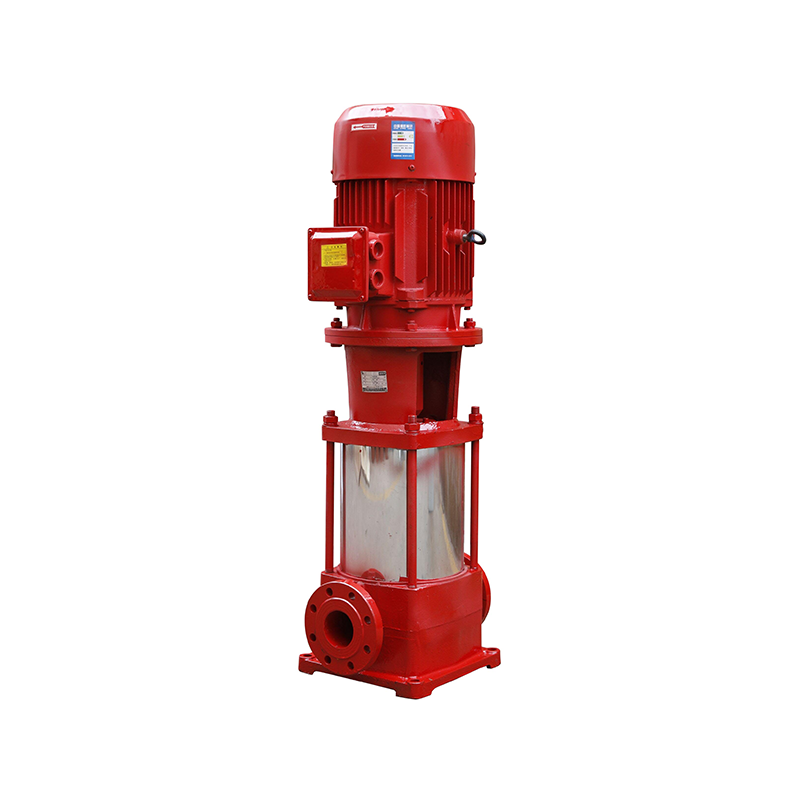
Structurally, it is mainly composed of motor, pump body, impeller and other components. The impeller is generally multi-stage, which enables it to produce a higher head. The pump body is usually a pipeline structure, with the inlet and outlet in the same line, which is convenient for the connection and installation of the pipeline system. In terms of material, the pump body is often made of cast iron, stainless steel and other materials. Cast iron material has lower cost and higher strength; stainless steel material has better corrosion resistance and is suitable for conveying special liquids. In terms of performance, the GDL pump has high efficiency and can effectively reduce energy loss. It has a wide flow range, which can meet the requirements of liquid delivery volume in different scenarios, and has a high head, which can transport liquid to a higher position or overcome greater pipeline resistance for long-distance transportation. In addition, it runs relatively smoothly and has relatively low noise.
Usage Environment
1. Temperature: The working environment temperature is generally around 0 - 40 degrees Celsius, but it varies for different models. Within this temperature range, the normal performance of each component of the pump body and the fluidity and other characteristics of the transported liquid can be guaranteed to meet the requirements.
2. Altitude: It is more suitable to use it in places with an altitude of less than 1,000 meters. Because the altitude is too high and the atmospheric pressure is reduced, it will affect the suction performance of the pump, making cavitation more likely to occur.
3. Medium conditions: It is mainly used to transport clean water or liquids with physical and chemical properties similar to clean water. If the liquid contains solid particles or is highly corrosive, it may cause wear or corrosion to the impeller, pump body and other parts of the pump, affecting the service life and performance of the pump. However, some GDL pumps that have been specially designed or made of special materials can be used for some simple transportation of liquids containing tiny particles or weak corrosive liquids.
Product Advantages
GDL Vertical Multistage Pump for Building Water Supply
The impeller is generally multi-stage with high head, corrosion resistance, relatively stable operation, relatively low noise, easy installation, and small footprint.
Product Features
Adapt to high-rise water supply
Multi-stage impeller
High vertical height, no space required, no change in pipeline direction
End suction pumps are irreplaceable
Technical Parameters
| Pump Type | Pipeline pump |
| Material | cast iron |
| Drive type | electric |
| Maximum flow | 162m3/h |
| Maximum lift | 160m |
| Installation Type | Vertical |
| Maximum caliber | DN150 |
| Maximum Power | 180KW |
| Protection level | IP44, indoor use |
| Insulation class | F, 155 degrees |
| Standard voltage | 380V |
Product Usage
Fire pressurized water supply
Widely used for pressurized water supply of fire hydrants, sprinklers, and fire monitor systems
Water supply for high-rise building construction
High-rise water supply construction at construction site
Factory industrial machinery washing
Mechanical cycle jet flushing
Garden
Green irrigation spray
Product Operation Guide
How to use and operate the machine
Check the wiring, check the forward and reverse rotation, and exhaust the air
Regular maintenance
Daily inspection (daily): Check the operating status of the equipment, including the water pump, motor, control cabinet, etc., to see if there is any abnormal vibration, noise, or heat; observe whether the inlet and outlet water pressure and flow are normal; check whether there is any leakage at the pipe joints; ensure that the lighting and ventilation in the pump room are good, and the temperature and humidity are appropriate, and clean the dust and debris on the surface of the equipment to keep the pump room clean. Check the entrances and exits regularly to prevent blockage by foreign objects; check the motor bearings; and ensure that the check valve operates normally.
Frequently asked questions
1.Water leakage from mechanical seal
1. Normal wear: After the mechanical seal has been running for a long time, the friction pair of the dynamic and static rings will naturally wear out. When the wear reaches a certain degree, the sealing surface cannot fit effectively, and water leakage will occur, just like the wear of car tires after a long time of driving.
2. Installation problems: When installing the mechanical seal, if the correct steps and requirements are not followed, such as impurities on the sealing surface, improper installation or twisted seals, it will affect its sealing performance and cause water leakage. This is like installing window glass without installing the sealing strip properly, which will cause gap leakage.
3. Abnormal operating conditions: When the pump cavitation occurs, the bubbles burst in the high-pressure area, which will cause impact and vibration on the mechanical seal, destroy the sealing structure, and then cause water leakage. In addition, if the transported liquid contains solid particles, the particles entering the sealing surface will wear the sealing surface like sandpaper, causing leakage.
4. Component damage: The spring of the mechanical seal is an important component to ensure that the dynamic and static rings fit tightly. If the spring fails or breaks, the pressure between the dynamic and static rings will be insufficient, and a good seal cannot be maintained, causing water leakage.
2. Reversal
The line phase sequence is wrong
3. The motor is hot
One is excessive load. If the working flow or lift of the pump exceeds the rated range, for example, if the valves in the pipeline system are opened or closed by mistake, causing the motor to overload, the excessive electrical energy will be converted into heat energy, causing the motor to heat up. The second is the problem of the motor itself. For example, if the bearing of the motor is damaged, the friction will increase during operation, generating a lot of heat; or if the insulation of the motor winding is aged and there is leakage, etc., it will also cause the motor to heat up. The third is poor heat dissipation. If the cooling fan of the motor is damaged and the vents are blocked, the heat generated by the motor operation cannot be dissipated in time, and the heat will accumulate inside the motor, causing the motor to heat up.
4. The water pump is noisy
main reason: 1. Mechanical aspects (1.Bearing problems: Bearing wear or damage is a common cause. For example, after a long period of use, the ball or raceway of the bearing will wear out, which will produce friction and vibration, and make abnormal noise.2.Shaft seal problem: If the shaft seal is improperly installed or worn, leakage and vibration may occur when the pump is running, resulting in increased noise.2. Hydraulic(1. Cavitation phenomenon: When the suction head is too high or the inlet pipe is blocked, the inlet pressure is likely to be too low, the liquid is partially vaporized, and bubbles are formed. The bubbles burst in the high-pressure area, which will produce noise and vibration.2.Water flow disturbance: If the flow channel design inside the water pump is unreasonable, or foreign matter enters the flow channel, the water flow state will be disturbed, causing pressure fluctuations and vibrations, and generating noise.three.Installation(1. Unsound foundation: If the installation foundation of the water pump is not flat and solid, the water pump will vibrate during operation, resulting in increased noise. Just like putting the water pump on a loose board, the board shakes during operation, and the water pump will also vibrate and make noise.2.Loose connection parts: If the connection bolts, couplings and other parts between the water pump and the pipeline are loose, collision and vibration will occur during the operation of the water pump, causing noise.


