close
Choose Your Site
Global
Social Media


 |


| Quantity: | |
|---|---|
Basic functions of the product
Conveying liquids and generating high lifts
Basic information of the product
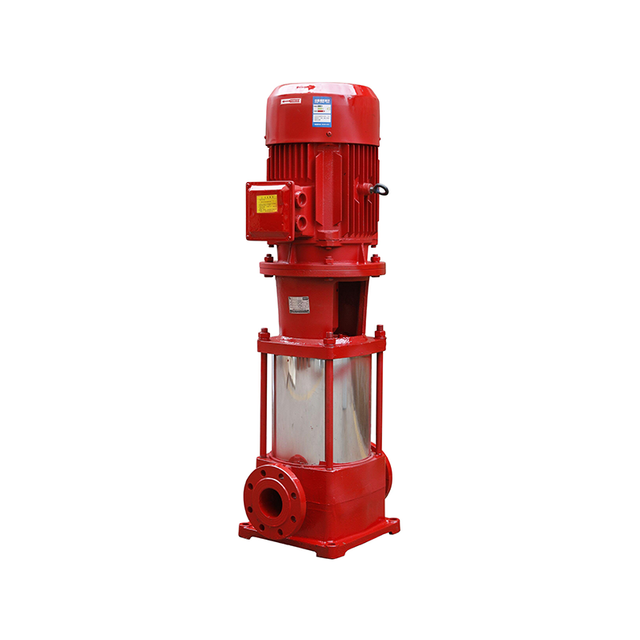
A vortex pump is a vane pump that works by creating a vortex motion in the liquid when the impeller rotates to suck in and discharge the liquid. The main components of a vortex pump include the impeller, pump body, and pump cover, which together form an annular flow channel. The liquid enters the flow channel through the suction pipe, gains energy from the rotating impeller, and is finally transported to the discharge pipe 12.
Usage Environment
1. Temperature and humidity: During the operation of the vortex pump, the bearing temperature cannot exceed the ambient temperature by 35°C, and the maximum temperature cannot exceed 80°C. The surrounding environment should be clean, dry and ventilated to prevent overheating and corrosion.
2. Power supply and voltage: The power frequency should be 50HZ, the three-phase voltage should be 380V, and the voltage fluctuation range should be between 342V and 418V (WZS type); the single-phase voltage should be 220V, and the voltage fluctuation range should be between 180V and 240V (WZ type
3. Water quality requirements: The vortex pump is suitable for conveying liquids or gas-liquid mixtures with a viscosity not greater than 5°E, no solid particles, and no impurities. The volume ratio of solid impurities in water shall not exceed 0.1%, and the particle size shall not be greater than 0.2 mm, such as general clean water, lake water, well water, etc.
4. Installation and use conditions: The installation height shall not exceed 6 meters, otherwise it will reduce the working efficiency of the water pump and affect its life. The bottom valve should be more than 40mm above the bottom of the water to prevent the inhalation of sediment. The joints of the water inlet pipe must ensure sealing to prevent air leakage from affecting water absorption.
Product Advantages
Applications of Vortex Pumps in Wastewater Treatment
Low energy consumption, large flow, low noise, stable operation, strong reliability, strong self-priming ability, high head, wide application range
Product Features
It can withstand various corrosive media such as acids, alkalis, salts, solutions, etc., and will not rust, corrode, or produce water rust during long-term operation.
Technical Parameters
| Pump Type | CW type magnetic vortex pump, WB type vortex pump |
| Material | Pump body and pump cover, impeller and shaft, seals, magnetic materials, motor |
| Drive type | Motor |
| Maximum flow | 45m3/h |
| Maximum lift | 280m |
| Maximum caliber | 100mm |
| Maximum Power | 45kw |
| Protection level | IP65 |
| Insulation class | F-Class |
| Standard voltage | The standard voltage range of vortex pumps usually includes 220v, 380v, 660v and 1140v (DC and AC). For example, the rated voltage of imported micro vortex pumps can be selected from DC24v, 220v, 380v, 660v and 1140v (DC and AC). In addition, the standard voltage of some models of vortex pumps such as XGB-5 vortex air pump is 380V. |
Product Usage
1. Boiler water supply: Vortex pumps are often used for boiler water supply and are suitable for various industrial and agricultural departments.
2. Shipbuilding, textile, chemical industry, metallurgy, machinery manufacturing, aquaculture: In these fields, vortex pumps are used to transport clean water and liquids with physical and chemical properties similar to water. The liquid temperature must not exceed 60°C.
3. Fixed fire protection voltage stabilization, heat exchanger units, agricultural remote sprinkler irrigation: Vortex pumps are also widely used in these fields. They are small in size and light in weight, and are particularly suitable for use in ship installations.
4. Vacuum drying and packaging: In the vacuum freeze-drying process of food, medicine, cosmetics and other industries, vortex dry pumps can effectively dehydrate substances at low temperatures to maintain their original shape and quality. In addition, it can also be used in vacuum packaging processes in food, electronic products and other fields to extract gas from packaging containers, thereby extending the shelf life of the product.
Product Operation Guide
Before starting the vortex pump, you should first open the valve on the suction pipe to allow the liquid to fill the pump body. Then close the valve on the discharge pipe to reduce the starting load. Then turn on the power supply and start the motor. After the pump runs smoothly, gradually open the valve on the discharge pipe to adjust to the required flow and head.
Frequently asked questions
Pressure or flow rate drops
Clean the air inlet and filter, add appropriate amount of lubricating oil, adjust the air inlet flow valve and air outlet pressure relief valve
Noise becomes louder
Causes of increased noise may include foreign matter inside the equipment, a stuck impeller, or damaged bearings. Solutions include cleaning out the foreign matter, reassembling the impeller, or replacing damaged bearings.
Pump body temperature rises
This is usually caused by a clogged air inlet or foreign matter inside. Solutions include cleaning the air inlet filter and clearing out the debris.
Vibration and imbalance
Adjust pump and motor alignment, perform impeller balancing tests and replace bearings