
close
Choose Your Site
Global
Social Media


Views: 0 Author: Site Editor Publish Time: 2026-06-02 Origin: Site


Fire safety depends on reliable equipment. Are your fire pumps ready when emergencies strike? EDJ type End Suction Fire Pump Units ensure dependable performance in critical moments. These pumps are vital for maintaining fire protection system pressure and flow. In this post, you’ll learn about their features, benefits, and installation essentials.
Electric pumps in EDJ fire pump units are designed for reliable, efficient operation. They typically come as end suction, split case, single-stage, or multistage pumps. The pump casing is often made from cast iron or stainless steel, ensuring durability and corrosion resistance. Impellers may be bronze or other corrosion-resistant materials. These pumps operate quietly and require less maintenance than diesel types. They connect directly to electric motors, providing steady power for firefighting needs.
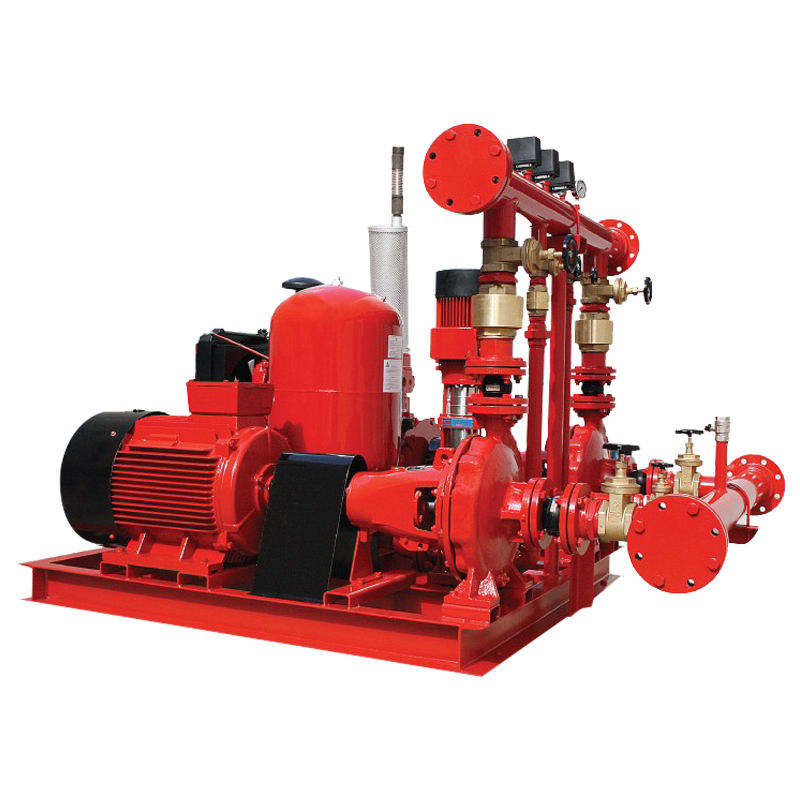
Diesel pumps serve as a backup or primary power source where electric supply is unreliable. They include a diesel engine, pump assembly, and supporting components such as a radiator, air filter, muffler, and vibration absorbers. The engine links to the pump via a high-elastic coupling or universal joint to handle torque and vibrations. Diesel pumps come with a base frame and control systems like stop solenoids and controllers for smooth operation. These units are robust and capable of delivering high flow and pressure under challenging conditions.
The jockey pump maintains system pressure by compensating for small leaks and pressure drops. It is usually a smaller vertical pump, distinct in design from electric or diesel pumps. Its flow rate is low, but it operates at higher head pressures than the main pumps. The jockey pump ensures the fire protection system remains pressurized and ready for immediate use, reducing the frequency of main pump starts and extending their lifespan.
The control panel acts as the brain of the fire pump system. It manages and monitors the operation of electric, diesel, and jockey pumps. Panels can be configured for manual or automatic operation, turning pumps on or off based on pressure or flow conditions. Advanced panels include 3-in-1 controllers that integrate control for all pump types or separate cabinets for each. Safety features such as alarms, fault indicators, and emergency stop functions ensure safe, reliable operation.
Tip: Always verify compatibility between pump types and control panel configurations to ensure seamless integration and optimal system performance.
EDJ end suction fire pumps cover a wide range of flow rates and head capacities to suit various fire protection needs. Their flow rates typically range from 15 to 2000 gallons per minute (GPM), allowing them to serve small residential buildings to large industrial facilities. The head capacity varies from 30 to 200 meters, ensuring sufficient pressure to activate sprinklers, hydrants, or standpipes effectively. This flexibility means the pump can be selected precisely to meet the hydraulic demands of any fire protection system.
Material choice plays a crucial role in pump durability and corrosion resistance. EDJ pumps are available in:
Cast Iron: Commonly used for pump casings due to its strength and cost-effectiveness. Suitable for most standard fire protection environments.
Stainless Steel: Offers excellent corrosion resistance, ideal for aggressive or corrosive water supplies, such as seawater or chemically treated water.
Bronze: Often used for impellers or components in contact with water, bronze resists corrosion and reduces wear, enhancing pump longevity.
Selecting the right material depends on water quality, environmental conditions, and project budget.
EDJ fire pumps come in several designs, each optimized for specific installation and performance requirements:
End Suction: Compact and simple, ideal for installations with limited space. The suction port is on one end, and the discharge is on top.
Split Case: Features a horizontally split casing for easy maintenance. Suitable for higher flow rates and industrial settings.
Vertical Turbine: Designed for pumping water from deep sources like reservoirs or lakes. The motor sits above the water, reducing flood risk.
Multistage: Contains multiple impellers in series to generate high pressure. Used when high head is required without sacrificing flow.
These designs enable customization to meet spatial constraints and hydraulic needs.
EDJ fire pump units offer extensive customization options to align with project-specific demands:
Flow and Head: Pump sizes and motor power can be tailored precisely.
Materials: Casings and impellers can be matched to environmental conditions.
Control Panels: Options include integrated 3-in-1 controllers or separate panels for electric, diesel, and jockey pumps.
Accessories: Valves, pressure tanks, and vibration isolation mounts can be included.
Installation Methods: Pumps can be configured for horizontal or vertical setups, depending on site conditions.
This adaptability ensures optimal performance, compliance with regulations, and cost efficiency.
Tip: When specifying your EDJ fire pump, provide detailed project parameters like required flow, head, water quality, and installation environment to get the best customized solution.
Before starting the installation, carefully read the manufacturer’s installation manual. It contains critical instructions about the pump’s specifications, mounting, alignment, electrical connections, piping, and safety measures. Following these guidelines ensures the pump operates correctly and maintains its warranty. Manuals also highlight tools and materials needed, helping to avoid delays or errors during installation.
Choose a location that complies with local fire protection codes and regulations. The site should provide easy access for maintenance and emergency operation. It must be dry, well-ventilated, and protected from flooding or extreme weather. Ensure enough clearance around the pump for inspection and repairs. Also, consider noise control if the pump room is near occupied spaces.
Before installation, secure all necessary permits and approvals from local authorities. Fire pump installations often require inspections to verify compliance with safety standards such as NFPA 20. Early coordination with fire marshals or building officials prevents costly rework or delays. Keep copies of all permits on-site for reference during inspections.
Prepare a solid, level foundation to support the pump and motor assembly. Concrete pads are typical, designed to bear the unit’s weight and minimize movement. Proper foundation prevents misalignment and mechanical stress that can shorten pump life. Use vibration isolation mounts or pads between the pump base and foundation to reduce noise and mechanical vibrations. This prolongs equipment life and improves operational stability.
Tip: Always plan the pump location and foundation early in the project to align with local codes, manufacturer specs, and future maintenance needs for smooth installation and reliable operation.
Start by securely mounting the pump and motor on the prepared foundation. Ensure the base is level and stable to avoid misalignment. Use precision tools like dial indicators or laser alignment devices to align the pump shaft with the motor shaft accurately. Proper alignment reduces wear, vibration, and energy loss. Tighten all mounting bolts evenly and check for any movement. Avoid forcing the shafts; they must rotate freely once coupled.
Next, connect the electrical wiring according to the pump’s voltage and current specifications. Use conduit and wiring rated for the environment and follow local electrical codes strictly. Install safety devices such as circuit breakers, overload relays, and disconnect switches to protect the motor and operators. Ground all electrical components properly to prevent electrical hazards. Verify that automatic controls and alarms in the fire pump control panel are wired and configured correctly for seamless operation.
Attach suction and discharge pipes to the pump flanges using the correct gaskets and bolts. The suction line should be as straight and short as possible to minimize flow resistance and avoid cavitation. Install strainers or screens on suction lines to prevent debris from entering the pump. Discharge piping must include pressure relief valves and be supported independently to avoid stressing the pump casing. Use flexible connectors if needed to absorb vibrations.
Install isolation valves on both suction and discharge lines to allow maintenance without draining the system. Check valves must be placed on the discharge line to prevent backflow when the pump stops. Pressure gauges should be installed near the pump discharge and suction points to monitor operating conditions. Ensure valves and gauges are accessible for inspection and operation during emergencies.
Ensure the pump room or enclosure has adequate ventilation to prevent overheating. For electric pumps, ambient air must circulate freely around the motor. Diesel pumps require sufficient airflow for engine cooling and exhaust gas removal. If water cooling is used, verify proper connections and flow rates for the cooling circuit. Avoid placing the pump in confined or humid spaces that could accelerate corrosion or damage electrical parts.
After mounting and piping, perform final shaft alignment. Use a dial indicator or laser tool to check angular and parallel misalignment, adjusting the motor or pump position as needed. Install the coupling according to manufacturer instructions, ensuring it is clean and free of debris. Tighten coupling bolts evenly and check for smooth rotation by hand. Proper coupling installation prevents premature bearing failure and vibration.
Tip: Always perform shaft alignment after piping installation since pipe strain can shift pump or motor position, affecting alignment and causing damage if ignored.
After installation, hydrostatic testing ensures the piping and pump casing can handle pressure without leaks or failures. Fill the system with water and pressurize it above the pump’s maximum operating pressure, typically 1.5 times the rated pressure, holding it for at least 10 minutes. Inspect all joints, valves, and seals carefully for leaks or weaknesses.
Functional tests verify the pump’s operation under real conditions. Start the pump and observe its behavior, checking for smooth startup, stable pressure, and flow rates. Listen for unusual noises or vibrations that could indicate misalignment or mechanical issues. Test automatic controls, alarms, and safety shutdown features to confirm proper responses.
Confirm the pump delivers the specified flow rate and pressure. Use flow meters and pressure gauges at suction and discharge points to measure actual performance. Compare readings against design parameters to ensure compliance. If flow or pressure is below expectations, check for blockages, valve positions, or incorrect pump speed.
Conduct tests at different operating points to verify the pump’s performance curve. This step is critical especially for fire pumps, as insufficient flow or pressure can compromise fire protection effectiveness.
Install clear safety signage around the pump unit, indicating emergency shutdown locations, electrical hazards, and operational warnings. Signs should be visible and comply with local safety standards.
Implement lockout/tagout (LOTO) procedures during maintenance or testing to prevent accidental startup. Use locks and tags on electrical panels and valves to ensure personnel safety. Train staff on LOTO protocols to reduce risks during servicing.
Maintain comprehensive records of the installation process, including:
Manufacturer’s installation checklists
Test results and observations
Alignment and coupling measurements
Electrical wiring diagrams
Permit approvals and inspection reports
Store documentation securely for future reference, audits, or troubleshooting. Detailed records help verify compliance with NFPA 20 and other codes, and assist technicians during maintenance or repairs.
Proper training ensures personnel can operate the fire pump safely and respond effectively during emergencies. Training should cover:
Starting and stopping procedures
Monitoring gauges and alarms
Responding to faults or abnormal conditions
Performing routine inspections and minor maintenance
Emergency shutdown and evacuation protocols
Use hands-on demonstrations and provide operation manuals. Regular refresher training keeps staff prepared and confident.
Tip: Always conduct thorough functional and safety tests before commissioning to catch issues early and guarantee reliable fire pump performance during emergencies.
Regular inspections keep EDJ fire pump units in top condition. Check for leaks around seals and joints. Inspect bearings for noise or overheating. Monitor vibration levels to catch early signs of imbalance or misalignment. Clean strainers and filters regularly to prevent clogging. Lubricate bearings and moving parts as per manufacturer recommendations. Verify electrical connections remain tight and corrosion-free. For diesel pumps, check fuel quality, oil levels, and coolant condition. Schedule periodic load tests to confirm operational readiness. Document all maintenance activities for future reference.
Common problems include pump failure to start, low pressure, excessive noise, or vibration. If the pump won’t start, check power supply, control panel settings, and safety interlocks. Low pressure may result from suction line blockages, closed valves, or air leaks. Unusual noises often indicate bearing wear, cavitation, or misalignment. Excessive vibration can stem from loose mounts, damaged impellers, or worn couplings. Use manufacturer troubleshooting guides to diagnose issues quickly. Address problems promptly to avoid costly downtime or damage.
EDJ fire pump units come with access to genuine spare parts such as seals, impellers, bearings, and control panel components. Using original parts ensures compatibility and maintains warranty coverage. Technical consultation is available through authorized distributors or directly from the manufacturer. Experts can assist with installation questions, performance optimization, or complex repairs. Keep a list of critical spare parts on hand to minimize downtime during emergencies or routine maintenance.
For large or complex installations, on-site service from trained technicians is available. They provide hands-on support for repairs, preventive maintenance, and system upgrades. Remote guidance through phone or video calls helps troubleshoot issues quickly, reducing the need for immediate travel. This hybrid approach saves time and costs while maintaining system reliability. Establish a service agreement early to ensure timely support and access to expert knowledge when needed.
Tip: Schedule routine inspections and keep genuine spare parts ready to ensure your EDJ fire pump unit operates reliably during emergencies.
EDJ type end suction fire pump units fit a wide range of environments. They are perfect for commercial buildings like shopping malls, office towers, and hotels. Industrial facilities such as factories, warehouses, and power plants also benefit from their robust design and reliable performance. Residential applications include high-rise apartments and gated communities, where fire protection is critical. These pumps handle different water supply conditions and system sizes, making them versatile for many projects.
EDJ fire pump units meet strict fire safety standards, including NFPA 20, which sets the design, installation, and testing criteria for fire pumps in the U.S. This compliance ensures the pumps deliver dependable performance during emergencies. They also conform to other international standards like UL, FM, and EN, depending on the market. Meeting these standards helps projects pass inspections and gain approvals from fire marshals and insurance companies.
Every fire protection project has unique requirements. EDJ units offer customization options to tailor flow rates, head pressures, and materials to specific conditions. For corrosive environments, stainless steel or bronze parts are available. Control panels can be configured for automatic or manual operation, integrating electric, diesel, and jockey pumps as needed. Installation methods can adapt to space constraints, with horizontal or vertical pump orientations. This flexibility ensures optimal system performance and compliance.
EDJ fire pump units are shipped worldwide to over 60 countries. The manufacturer supports international logistics, including FOB, CIF, and EXW shipping terms. Large projects benefit from on-site installation assistance via authorized partners. Remote technical support is also available to guide local teams during setup and commissioning. This global service network helps customers install and maintain pumps efficiently, regardless of location.
Tip: When selecting EDJ fire pump units, specify your project’s environment, regulatory standards, and customization needs early to ensure the best fit and smooth international delivery.
Ensuring reliable fire protection begins with proper installation of EDJ type end suction fire pump units. Key steps include precise mounting, alignment, and thorough testing to guarantee optimal operation. Professional installation and regular maintenance are crucial for system longevity and safety. Following manufacturer guidelines and safety protocols maximizes performance and minimizes downtime. Shanghai Diequan Water Pump (Group) Co., Ltd. offers durable, customizable fire pump units backed by expert support, delivering dependable solutions for diverse fire protection needs.
A: EDJ type End Suction Fire Pump Units are reliable fire pumps designed with a single suction inlet and discharge outlet, ideal for various fire protection systems requiring efficient water flow and pressure.
A: Proper installation involves site preparation, mounting and aligning the pump and motor, electrical wiring, piping connections, valve installation, and shaft alignment following manufacturer guidelines.
A: They offer compact size, easy maintenance, and customization options suited for diverse applications, making them efficient and versatile compared to split case or vertical turbine pumps.
A: Routine inspections, lubrication, cleaning strainers, checking electrical connections, and addressing common issues like vibration or low pressure ensure reliable operation.
A: Yes, they comply with NFPA 20 and other international standards, ensuring dependable performance and regulatory approval in fire protection systems.


