
close
Choose Your Site
Global
Social Media


Views: 0 Author: Site Editor Publish Time: 2026-06-02 Origin: Site


Did you know many fires fail to be controlled due to improper pump choice? Choosing the right EDJ type End Suction Fire Pump Units end suction fire pump unit is crucial. These pumps ensure reliable water flow in emergencies.
In this post, you’ll learn what makes EDJ pumps essential for fire protection. We’ll cover their key features, benefits, and how to select the right unit for your needs.
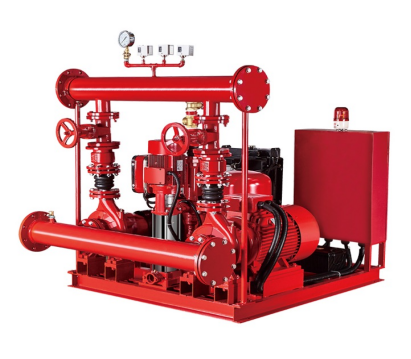
EDJ type end suction fire pumps are single-stage centrifugal pumps designed to supply high-pressure water quickly during fire emergencies. Water enters the pump through one end (the suction side), flows through the impeller, which increases its velocity and pressure, and then exits through the discharge outlet. This design ensures efficient water delivery with minimal energy loss. The pump’s compact structure allows it to be easily installed in limited spaces without sacrificing performance.
The pump is typically driven by either an electric motor or a diesel engine. The motor or engine transfers power to the impeller via a shaft, causing it to rotate and generate the necessary pressure to push water through fire protection systems such as sprinklers, hydrants, and hose reels. The EDJ pump’s simple yet robust design ensures reliable operation under emergency conditions.
EDJ type end suction fire pumps are versatile and widely used across various building types:
Residential Buildings: They provide adequate flow and pressure for low to medium-rise apartments and housing complexes. Their compact size suits mechanical rooms where space is limited.
Commercial Buildings: These pumps handle moderate to high flow demands for offices, hotels, and shopping centers, supporting multiple fire zones efficiently.
Industrial Facilities: EDJ pumps serve in factories and warehouses requiring reliable fire water supply. They can be configured with materials resistant to corrosive environments, making them suitable for harsher industrial conditions.
Their adaptability makes them a preferred choice where space, cost, and performance balance is critical.
Compared to other fire pump types, EDJ end suction pumps offer several distinct advantages:
Feature | EDJ End Suction Pump | Horizontal Split Case Pump | Vertical Turbine Pump |
|---|---|---|---|
Design | Single-stage, compact | Split casing, multi-stage possible | Vertical shaft, submerged impeller |
Space Requirement | Small footprint | Larger, requires more space | Requires deep well or tank access |
Maintenance | Easier to service and maintain | Moderate complexity | More complex, requires special access |
Flow & Pressure Range | Moderate flow, medium pressure | High flow, medium to high pressure | High pressure, suited for deep water sources |
Cost | Generally lower | Higher due to size and complexity | Higher due to installation needs |
EDJ pumps are ideal for applications where moderate flow and pressure suffice, and space constraints exist. Horizontal split case pumps fit larger commercial or industrial sites needing higher flow. Vertical turbine pumps suit locations drawing water from underground sources, like wells or reservoirs.
Tip: When selecting an EDJ type end suction fire pump, match its flow and pressure capabilities to your building’s specific fire protection needs to ensure efficient, reliable operation without oversizing.
When selecting an EDJ type end suction fire pump, start by defining the flow rate and pressure your fire protection system requires. Flow rate, usually measured in gallons per minute (GPM) or liters per minute (L/min), indicates how much water the pump must deliver to suppress fire effectively. Pressure, measured in pounds per square inch (PSI) or bars, shows the force needed to push water through pipes and sprinklers, especially in taller buildings or systems with long pipe runs.
Calculate these values based on your building’s fire sprinkler design, hydrant demands, and hose reel requirements. Oversizing wastes energy and increases cost, while undersizing risks inadequate fire suppression. Consult NFPA 20 guidelines or a fire protection engineer to determine accurate flow and pressure targets.
The pump body material affects durability, corrosion resistance, and suitability for different environments:
Cast Iron: Commonly used due to cost-effectiveness and good mechanical strength. Suitable for standard water supply without aggressive chemicals or extreme temperatures.
Stainless Steel: Offers excellent corrosion resistance, ideal for corrosive environments or where water contains chemicals. Also good for hygienic applications.
Bronze: Provides good corrosion resistance in saltwater or marine conditions. Often used for pumps exposed to seawater or brackish water.
Choose the material based on the water quality and environmental conditions the pump will face. For example, industrial sites with corrosive agents should avoid cast iron to prevent premature wear.
The EDJ pump’s drive system impacts reliability and operational readiness:
Electric Motor Drives: Preferred where stable electrical power exists. They offer lower maintenance, quieter operation, and higher efficiency. Ideal for most commercial and residential buildings connected to reliable grids.
Diesel Engine Drives: Essential as backup or primary drives in locations with unreliable or no electricity. Diesel pumps provide independent operation during power outages, critical for emergency response. They require more maintenance and fuel storage but ensure fire protection even when the grid fails.
Some systems use both, with electric pumps as primary and diesel pumps as standby, complying with NFPA 20 redundancy recommendations.
Tip: Always match your pump’s flow and pressure to your building’s fire protection design, select pump body materials suited for your environment, and choose a power source ensuring reliable operation during emergencies.
The National Fire Protection Association (NFPA) 20 standard is the cornerstone for fire pump selection, installation, and performance. It sets strict requirements to ensure fire pumps deliver reliable water pressure during emergencies. For EDJ type end suction fire pumps, NFPA 20 specifies:
Pump Capacity and Pressure: Pumps must meet the minimum flow rate and pressure demands based on the building’s fire protection design.
Testing and Certification: Fire pumps require factory testing to verify performance curves, ensuring they operate within specified parameters.
Installation Guidelines: Proper alignment, foundation support, and piping arrangements are mandated to avoid vibration and maintain system integrity.
Redundancy and Control: NFPA 20 encourages using jockey pumps, standby pumps, and automatic controllers to maintain pressure and provide backup in case of failure.
Adhering to NFPA 20 ensures your EDJ pump operates safely and meets insurance and legal requirements.
UL (Underwriters Laboratories) Listing and FM (Factory Mutual) Approval are critical certifications indicating a fire pump’s safety and reliability. For EDJ end suction pumps:
UL Listing confirms the pump has passed rigorous safety tests, including mechanical integrity, electrical safety, and operational performance.
FM Approval focuses on the pump’s reliability and suitability for fire protection, often required by insurance companies to qualify for coverage.
Choosing pumps with UL and FM marks guarantees compliance with industry best practices, reduces liability, and facilitates acceptance by authorities and insurers.
Beyond national standards, local building codes and the Authority Having Jurisdiction (AHJ) impose specific requirements tailored to regional safety concerns. These may include:
Additional Testing: Some jurisdictions require periodic flow testing or certification renewals.
Installation Practices: Restrictions on pump location, noise levels, or environmental controls.
Documentation: Submission of detailed pump specifications, test reports, and maintenance records.
Engage early with your AHJ to ensure your EDJ end suction fire pump unit meets all local mandates. This avoids costly redesigns or delays during inspections.
Tip: Always verify your EDJ fire pump’s compliance with NFPA 20, UL/FM certifications, and local AHJ rules before purchase to ensure smooth approval and reliable fire protection.
Residential buildings such as apartments, condominiums, and small housing complexes usually require fire pumps that deliver moderate flow and pressure. The water demand here is generally lower compared to commercial or industrial sites. An EDJ type end suction fire pump is ideal due to its compact size and efficiency. It fits well in limited mechanical spaces typical of residential buildings.
Electric motor-driven EDJ pumps are commonly preferred in residential areas with stable power supply. They provide reliable operation and low maintenance. However, if power outages are frequent, a diesel engine-driven pump or a combination with a jockey pump for pressure maintenance is advisable. This ensures the fire protection system remains operational during emergencies.
Commercial buildings like offices, hotels, malls, and hospitals have more complex fire protection needs. They often feature multiple fire zones requiring pumps capable of supplying higher flow rates and consistent pressure. EDJ type end suction pumps can be sized to meet these demands effectively.
In commercial settings, electric motor-driven EDJ pumps are standard due to their energy efficiency and quieter operation. Diesel engine-driven pumps serve as standby units to guarantee operation during power failures, complying with NFPA 20 redundancy requirements. Additionally, commercial buildings may require fire pump systems integrated with controllers and jockey pumps to maintain system pressure and manage multiple zones.
Industrial sites such as factories, chemical plants, and warehouses demand robust fire pumps that handle high flow volumes and withstand harsh conditions. EDJ type end suction fire pumps made from corrosion-resistant materials like stainless steel or bronze are excellent choices here.
Diesel engine-driven EDJ pumps are often preferred for industrial environments due to their independence from electrical grids, especially in remote or hazardous locations. The pump’s material should be selected based on the chemical nature of the environment to prevent corrosion and extend service life. These pumps can also be customized with additional features like enhanced seals and bearings for durability.
High-rise buildings pose unique challenges requiring fire pumps that can generate high pressure to push water to upper floors. Although vertical turbine pumps are common for very tall structures, EDJ type end suction pumps can serve lower to mid-rise zones effectively.
In high-rise applications, multiple EDJ pumps might be installed in zones to manage pressure efficiently and comply with NFPA standards. Electric drives are typically used for primary pumps, with diesel-driven units as backups. Incorporating jockey pumps helps maintain pressure and reduce wear on main pumps.
Tip: Match your EDJ pump’s flow and pressure capacity precisely to your building’s fire zones and occupancy type to ensure efficient, reliable fire protection without oversizing or underperformance.
Correct installation plays a vital role in ensuring your EDJ type end suction fire pump operates efficiently and reliably. Begin by selecting a solid, level foundation—usually a concrete base—to minimize vibration and movement during operation. Proper alignment of the pump shaft and driver (motor or engine) is essential to avoid premature wear on bearings and seals.
Ensure the suction and discharge piping are correctly sized and supported to prevent strain on the pump casing. Avoid sharp bends or restrictions near the suction side to maintain smooth water flow and prevent cavitation. Install isolation valves, check valves, and pressure gauges at appropriate locations to facilitate operation and maintenance.
Electrical connections for motor-driven pumps must comply with local electrical codes, including proper grounding and circuit protection. For diesel-driven pumps, ensure adequate ventilation and exhaust systems to prevent overheating and harmful emissions buildup.
Finally, test the pump upon installation to verify it meets the specified flow and pressure requirements. Conduct a full operational test, including automatic start and stop functions, to confirm system readiness.
Regular maintenance extends the life of your EDJ pump and prevents unexpected failures. Perform visual inspections weekly to check for leaks, unusual noises, or vibrations. Lubricate bearings and motor components as per manufacturer guidelines.
Monthly, test the pump’s automatic starting system, including pressure switches and controllers, to ensure proper response under simulated fire conditions. Verify the integrity of seals and packing to prevent water leakage.
Annually, conduct a more thorough inspection, including:
Checking alignment and coupling condition
Inspecting impeller wear and clearance
Testing flow and pressure against baseline performance curves
Cleaning strainers and filters
Replace worn parts promptly to maintain efficiency and reliability.
Even well-maintained pumps may encounter issues. Common problems include:
Pump Fails to Start: Check power supply, control panel settings, and pressure switch calibration.
Low Flow or Pressure: Inspect for clogged suction lines, closed valves, or impeller damage.
Excessive Vibration or Noise: Often caused by misalignment, cavitation, or bearing wear. Realign and replace parts as needed.
Leaks: Usually due to worn seals or loose fittings; tighten or replace components promptly.
Maintaining detailed logs of inspections, tests, and repairs helps identify recurring problems and plan preventive actions.
Selecting EDJ fire pump units from certified manufacturers ensures compliance with NFPA 20, UL, and FM standards. Certified products undergo rigorous testing, guaranteeing performance and safety. Likewise, professional installers understand local codes and best practices, reducing risks of improper installation.
Partnering with experienced suppliers provides access to technical support, training, and maintenance services. This relationship ensures your fire pump system remains reliable throughout its service life, providing peace of mind during emergencies.
Tip: Always engage certified manufacturers and professional installers to guarantee your EDJ fire pump’s safe installation, reliable operation, and compliant maintenance.
EDJ type end suction fire pumps feature a compact, single-stage design that takes up minimal floor space. This makes them perfect for buildings where mechanical room space is limited. Unlike larger multi-stage or split-case pumps, EDJ pumps fit easily into tight areas without sacrificing performance. Their simple layout also allows for straightforward piping arrangements, reducing installation complexity and costs.
These pumps operate with high hydraulic efficiency due to their streamlined flow path and single impeller design. They require less power to deliver the needed flow and pressure, which translates to lower energy consumption and operating costs. The reduced energy demand also means smaller motor or engine sizes can be used, lowering initial investment and ongoing expenses. Over time, this energy efficiency contributes significantly to cost savings, especially in systems that run regular weekly or monthly tests.
The EDJ pump’s simple structure makes maintenance easier and faster. Components like the impeller, shaft, and seals are accessible for inspection and replacement without dismantling the entire unit. This reduces downtime and maintenance labor costs. Additionally, using quality materials such as stainless steel or bronze enhances corrosion resistance, extending pump life in harsh environments. Routine maintenance is straightforward, helping ensure reliable performance and longer service intervals.
EDJ type end suction fire pumps adapt well to various fire protection system demands. They suit residential, commercial, and industrial buildings due to their flexible flow and pressure ranges. Whether supplying sprinklers, hydrants, or hose reels, they deliver consistent performance. Their compatibility with electric motors and diesel engines allows for tailored power options based on site needs. Furthermore, they can be customized with different casing materials to handle corrosive or saline water, making them suitable for diverse environments.
Tip: Choose EDJ type end suction fire pumps for compact spaces needing efficient, cost-effective, and easy-to-maintain fire protection solutions adaptable to multiple building types.
Choosing the right EDJ type end suction fire pump involves matching flow, pressure, and material to your building’s needs. Ensuring compliance with NFPA 20 and certifications like UL and FM guarantees safety and reliability. Proper installation and maintenance further enhance performance and longevity. Shanghai Diequan Water Pump (Group) Co., Ltd. offers high-quality EDJ pumps known for compact design, energy efficiency, and adaptability, providing dependable fire protection solutions that meet diverse application demands.
A: EDJ type End Suction Fire Pump Units are single-stage centrifugal pumps designed to deliver high-pressure water quickly during fire emergencies, featuring a compact design ideal for limited spaces.
A: They use an electric motor or diesel engine to drive an impeller, increasing water pressure and flow to supply fire protection systems like sprinklers and hydrants efficiently.
A: They offer a compact footprint, easier maintenance, and cost-effectiveness, making them suitable for moderate flow and pressure needs where space is limited.
A: Cost depends on flow rate, pressure requirements, pump body material, and power source (electric or diesel), with materials like stainless steel or bronze increasing price.
A: Check power supply, inspect for clogged suction lines, verify alignment, and examine seals; regular maintenance helps prevent failures and prolongs pump life.


