
close
Choose Your Site
Global
Social Media


Views: 0 Author: Site Editor Publish Time: 2026-06-02 Origin: Site


Fire safety demands reliable equipment that never fails. How can you ensure constant water supply during emergencies? EDJ type End Suction Fire Pump Units offer a dependable solution with dual electric and diesel power. In this post, you’ll learn about their design, importance in fire protection, and how their integrated power system works.

The EDJ Type End Suction Fire Pump Units are engineered for maximum efficiency. Their design minimizes energy consumption while delivering high flow rates. This efficiency reduces operational costs and supports sustainable fire protection systems. The pumps use optimized impeller and volute shapes to ensure smooth water flow and less hydraulic loss.
These pump units boast a compact footprint, making them ideal for installations where space is limited. The modular design allows easy installation, maintenance, and future upgrades. Components like the electric motor, diesel engine, and jockey pump are integrated but can be serviced independently, reducing downtime and complexity.
Constructed using high-quality materials such as cast iron, stainless steel, and bronze, EDJ pumps resist corrosion and wear even in harsh environments. Mechanical seals and protective coatings further enhance durability. This robust build ensures long service life, even under continuous or emergency operation.
EDJ pumps adapt to a wide range of settings, including high-rise buildings, industrial plants, warehouses, hospitals, airports, and hazardous sites like chemical plants. Their ability to handle different flow rates and pressures makes them suitable for diverse firefighting needs. The dual power system guarantees reliability across all these applications.
Safety and compliance are critical for fire pumps. EDJ units meet stringent international standards, including NFPA20, UL, and CE certifications. These approvals assure users that the pumps adhere to rigorous quality, safety, and performance benchmarks required worldwide.
Tip: Choose EDJ fire pump units that match your facility’s specific flow and pressure needs to maximize efficiency and ensure compliance with international safety standards.
EDJ Type End Suction Fire Pump Units cover a wide flow rate range, typically from 100 to 1800 liters per second (L/s), suitable for small to large-scale fire protection systems. Their maximum head can reach up to 200 meters, enabling them to provide adequate pressure even in high-rise buildings or extensive industrial setups. This range ensures flexibility to meet various project requirements, from commercial complexes to hazardous sites.
These pump units come equipped with dual power drive options: electric motors and diesel engines. The electric motors are available in single-phase or three-phase configurations, ranging from 20 kW to 710 kW, depending on the pump size and application. The diesel engine acts as a reliable backup, automatically engaging during power outages or main pump failures. This dual power system guarantees uninterrupted water supply during emergencies.
To resist corrosion and wear, EDJ pumps are constructed from robust materials such as cast iron for the pump body, stainless steel for critical components, and bronze for wear parts. Mechanical seals enhance leak resistance, while protective coatings provide additional durability. These material choices make the units suitable for harsh environments, including chemical plants and coastal areas.
EDJ pump units typically hold an IP54 or higher protection rating, ensuring resistance against dust and water ingress. This rating allows them to operate reliably in both indoor and outdoor pump room environments. Additionally, the units are designed to withstand high temperatures and humidity, making them suitable for diverse climatic conditions worldwide.
Specification | Range/Type | Application/Benefit |
|---|---|---|
Flow Rate | 100–1800 L/s | Flexible for various fire protection needs |
Maximum Head | Up to 200 m | Supports high-rise and industrial setups |
Drive Power | 20–710 kW electric motor + diesel backup | Ensures continuous operation |
Motor Types | Single-phase, Three-phase | Adaptable for different power supplies |
Materials | Cast iron, Stainless steel, Bronze | Corrosion resistance and durability |
Protection Rating | IP54+ | Suitable for indoor/outdoor installations |
Tip: When selecting an EDJ pump unit, match flow rate, head, and power options precisely to your building's fire protection requirements to optimize performance and ensure compliance.
The EDJ fire pump unit includes a jockey pump designed to maintain system pressure during normal conditions. It automatically starts when pressure drops slightly below the set point, compensating for minor leaks or pressure losses. This prevents the main pumps from cycling unnecessarily, extending their lifespan and reducing energy use. The jockey pump runs quietly and efficiently, ensuring the fire protection system stays ready without frequent interruptions.
The fire pump system follows a clear activation order to guarantee reliable water supply:
Jockey Pump: First to start, stabilizes pressure during minor drops.
Electric Pump: Activates if pressure falls further, providing primary firefighting flow.
Diesel Pump: Automatically takes over if electric power fails, ensuring uninterrupted operation.
This layered response ensures water supply continuity during emergencies. The system switches seamlessly between pumps, minimizing downtime and maintaining safety.
The EDJ unit’s dual power design combines electric motor drive with diesel engine backup. This setup ensures the pump keeps running even during power outages or electric failures. Diesel engines start automatically within seconds, supplying water without manual intervention. This redundancy is crucial for critical facilities where fire protection cannot be compromised. It also complies with stringent fire safety codes requiring backup power sources.
The unit includes an intelligent control panel that manages pump operation and monitors system health. Key features include:
Automatic start/stop control for jockey, electric, and diesel pumps.
Real-time pressure and flow monitoring to detect anomalies.
Fault detection and alarms to alert operators promptly.
Remote monitoring capabilities via network integration for centralized supervision.
Data logging for maintenance and compliance records.
This smart control enhances reliability, reduces human error, and allows quick response to system issues. Remote access helps facility managers monitor pump status anytime, anywhere.
Tip: Regularly test each pump in the activation sequence and verify control panel alarms to ensure the EDJ fire pump unit responds correctly during emergencies.
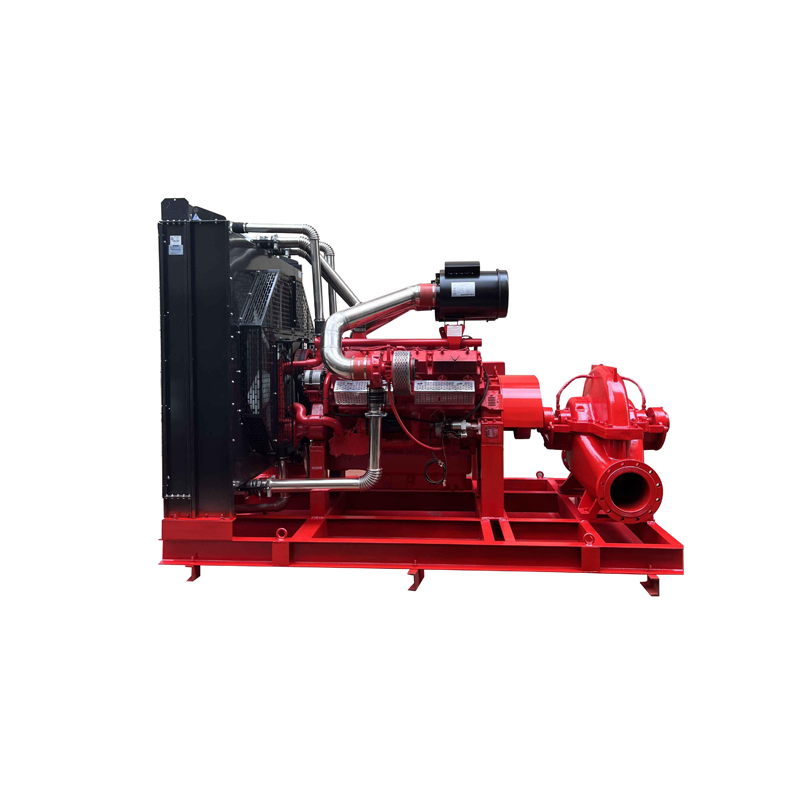
EDJ Type End Suction Fire Pump Units are ideal for high-rise buildings and commercial complexes, where reliable water pressure and flow are critical. Their high head capabilities ensure water reaches upper floors quickly during emergencies. The dual power system guarantees continuous operation despite power outages, protecting occupants and property. Compact design fits well in limited pump room spaces often found in urban buildings. Many skyscrapers and office towers rely on EDJ units for dependable fire protection compliance.
Factories, manufacturing plants, and warehouses benefit from EDJ pump units due to their robust construction and versatile performance. These environments demand pumps that handle large flow rates and operate continuously under tough conditions. The corrosion-resistant materials ensure longevity even in dusty, humid, or chemically active areas. EDJ units maintain stable pressure for sprinkler systems and hydrants, safeguarding valuable inventory and machinery. Their modular design allows easy integration into existing fire safety setups common in industrial sites.
Chemical plants, oil depots, and other hazardous locations require fire pumps that meet stringent safety and reliability standards. EDJ units, certified under NFPA20, UL, and CE, are built to withstand corrosive atmospheres and extreme temperatures. The dual power system is critical here, providing fail-safe water supply during emergencies when electric power may fail. Their advanced control panels enable remote monitoring, helping operators respond quickly to any system alarms. These features make EDJ pumps trusted choices for high-risk environments.
Public facilities such as hospitals and airports depend on uninterrupted fire protection to ensure safety for large numbers of people. EDJ Type End Suction Fire Pump Units deliver consistent water pressure for extensive sprinkler networks and fire hose reels. Their quiet operation suits sensitive environments like hospitals. The smart control system allows facility managers to monitor pump status remotely, ensuring readiness 24/7. Airports benefit from EDJ units’ compliance with international standards and ability to handle complex fire safety demands in terminals and hangars.
Tip: When selecting EDJ pump units for your application, consider specific environmental challenges and required certifications to ensure optimal performance and compliance across diverse facility types.
Regular inspections keep your EDJ fire pump unit ready for emergencies. Check for leaks around seals and joints, as even small leaks may reduce system pressure. Examine the mechanical seals and couplings for wear or damage. Inspect electrical connections for corrosion or loose wiring, especially in the control panel. Verify the diesel engine oil and coolant levels, and look for any fuel leaks. Confirm that the jockey pump operates correctly by monitoring its automatic start and stop functions. Also, check the pump bearings for unusual noise or vibration, which could indicate early wear.
Clean filters and strainers regularly to prevent blockages that reduce flow and pressure. Remove debris from the suction strainers to maintain smooth water intake. For systems with pressure tanks, drain and flush them periodically to avoid sediment buildup. Clean the pump casing and motor cooling fins to prevent overheating. Avoid harsh chemicals that may damage seals or coatings. Using clean water for flushing after testing helps keep the system free of contaminants.
Monitor flow rates and pressure readings daily or weekly, depending on usage. Sudden drops in pressure or flow may signal pump wear, blockages, or leaks. Check the control panel for alarms or fault codes and address them promptly. If the diesel engine fails to start automatically during tests, inspect the battery, fuel supply, and starter motor. Abnormal noises or vibrations during operation require immediate investigation to prevent damage. Keep a log of performance data to spot trends that indicate declining efficiency.
Schedule professional servicing at least every 6 to 12 months. Certified technicians can perform detailed inspections, replace worn parts, and recalibrate controls. They can also test the automatic transfer between electric and diesel pumps to ensure seamless operation. Use authorized service providers familiar with EDJ units to maintain warranty and certification compliance. Many manufacturers offer remote diagnostics and technical support to assist with troubleshooting. For large or critical facilities, consider service contracts that include emergency response and spare parts supply.
Tip: Develop a maintenance checklist including inspection, cleaning, performance testing, and professional servicing to ensure your EDJ fire pump unit remains reliable and compliant.
EDJ Type End Suction Fire Pump Units offer extensive customization options to fit your project's unique requirements. You can specify flow rates ranging from modest to very high volumes, ensuring the pump delivers just the right amount of water. Head pressure can be tailored to suit building height or system design, from low-rise facilities to skyscrapers. Material choices include cast iron, stainless steel, and bronze, allowing resistance to corrosion or chemical exposure depending on the environment. This flexibility ensures optimal performance and durability, avoiding over- or under-sized equipment.
Control panels come either integrated within the pump unit or as separate cabinets. Integrated panels save space and simplify wiring, making installation easier in tight pump rooms. Separate panels offer more flexibility in placement, allowing remote monitoring or easier access for maintenance. Both options include smart controls managing automatic start/stop sequences for jockey, electric, and diesel pumps. They also provide fault alarms, pressure monitoring, and remote communication capabilities. Choosing the right configuration depends on your facility layout and operational preferences.
EDJ pump units are designed for compact, modular installation, fitting well in limited spaces common in urban or industrial settings. However, adequate clearance around the unit is essential for maintenance access and airflow cooling. Indoor or outdoor pump rooms must meet environmental protection standards, such as IP54 or higher, to shield equipment from dust and moisture. Consider vibration isolation pads to reduce noise and mechanical stress. Proper foundation and alignment during installation prevent premature wear and ensure smooth operation. Planning for easy access to fuel supply and exhaust for the diesel engine is also critical.
Manufacturers typically offer worldwide shipping, supporting terms like FOB, CIF, or EXW. Lead times range from 30 to 45 working days for standard units, with custom orders potentially requiring more time. Many suppliers provide international technical support, remote guidance, and spare parts availability to assist with installation and maintenance globally. For large projects, authorized partners may offer on-site installation and commissioning services. Early coordination with the supplier ensures timely delivery and smooth project execution.
Tip: Discuss your specific flow, head, material, and control panel needs early with suppliers to receive a tailored EDJ pump solution that fits your installation environment and meets project timelines.
Many facility managers and engineers praise the EDJ Type End Suction Fire Pump Units for their reliability and efficiency. For example, a high-rise residential building in a metropolitan area installed the EDJ pump system and reported uninterrupted firefighting water supply even during power outages. The automatic switch from electric to diesel power worked flawlessly, providing peace of mind to residents and management.
In an industrial chemical warehouse, the EDJ unit maintained stable pressure 24/7. The facility director noted that the smart control panel's remote monitoring allowed quick response to any alerts, minimizing downtime and ensuring safety. Another success story comes from an airport fire safety system, where the compact design and modular installation saved valuable space while meeting strict international fire codes.
These cases demonstrate the EDJ pump’s adaptability across various industries and environments, proving its value as a dependable fire protection solution.
Q: Where can I use EDJ Type End Suction Fire Pump Units?
A: They are suitable for high-rise buildings, commercial complexes, industrial plants, warehouses, hospitals, airports, and hazardous sites like chemical plants and oil depots.
Q: How do I select the right pump model?
A: Choose based on your required flow rate, pressure head, and installation environment. Many suppliers offer free selection guides and consultation to help match the pump to your needs.
Q: Can the pump handle power outages?
A: Yes, the diesel engine backup automatically starts if electric power fails, ensuring uninterrupted water supply.
Q: Are the units customizable?
A: Yes, you can customize flow, head, materials, and control panel configurations to fit specific project requirements.
Experts recommend inspecting EDJ pump units every 6 to 12 months. This includes checking seals, filters, electrical connections, and testing the automatic start of jockey, electric, and diesel pumps. Regular maintenance ensures optimal performance and compliance with fire safety codes.
For high-rise buildings, the EDJ units comply fully with NFPA20 and other international standards. They provide sufficient pressure to reach upper floors quickly during emergencies, a critical factor in occupant safety and code compliance.
EDJ Type End Suction Fire Pump Units hold certifications such as NFPA20, UL, and CE. These certifications confirm the pumps meet rigorous safety, quality, and performance standards recognized worldwide. Choosing certified pumps helps facilities pass inspections and maintain insurance requirements.
The units also include multiple safety protections like overload, overpressure, and seal leak detection, ensuring safe operation under all conditions.
Tip: When evaluating EDJ pump units, request real-world case studies and verify certifications to ensure the product meets your facility’s safety and performance needs.
The EDJ Type End Suction Fire Pump Units offer high efficiency, durability, and versatile applications. Their dual power system and smart controls ensure reliable, uninterrupted operation. These pumps meet strict safety and international compliance standards, making them ideal for critical fire protection needs. Proper selection and regular maintenance maximize performance and longevity. Shanghai Diequan Water Pump (Group) Co., Ltd. provides these advanced fire pump units, delivering dependable solutions that safeguard facilities and people worldwide.
A: EDJ type End Suction Fire Pump Units are used in high-rise buildings, industrial plants, warehouses, hospitals, airports, and hazardous sites to provide reliable fire protection water supply.
A: They feature dual power with electric motors and diesel engine backup, automatically switching to diesel during power outages for continuous water supply.
A: They offer high efficiency, corrosion resistance, compact design, international certifications (NFPA20, UL, CE), and smart control for reliable fire safety.
A: Regular inspection and servicing every 6 to 12 months are recommended to ensure optimal performance and compliance with safety codes.
A: Yes, they can be customized for flow rate, head pressure, materials, and control panel configurations to fit specific project needs.


