
close
Choose Your Site
Global
Social Media


Views: 0 Author: Site Editor Publish Time: 2026-01-05 Origin: Site


Are you aware of the critical role pumps play in fire safety? NFPA 20 sets essential standards for pump installation, ensuring effective fire protection. In this article, we’ll explore how NFPA 20 addresses pump installation and why compliance is vital for safety and reliability.
NFPA 20 is a vital standard that governs the installation of stationary fire pumps. Established by the National Fire Protection Association, it has evolved since its inception in 1899. This standard aims to ensure that fire pumps operate effectively during emergencies, safeguarding lives and property.
The purpose of NFPA 20 extends beyond mere compliance; it establishes guidelines that help design robust fire protection systems. These systems are crucial for delivering water to extinguish fires in various settings, including residential, commercial, and industrial facilities. As technology has advanced, so has NFPA 20, adapting to incorporate new safety practices and innovations in fire protection.
Compliance with NFPA 20 is not just a regulatory requirement; it is essential for ensuring safety during emergencies. When fire pumps are installed according to these standards, they are more likely to function correctly when needed most.
Here are some key reasons why compliance is crucial:
● Safety Assurance: Properly installed pumps can deliver the necessary water pressure and flow during a fire, potentially saving lives. Non-compliance may lead to pump failures, resulting in catastrophic consequences.
● Legal and Regulatory Requirements: Many jurisdictions mandate compliance with NFPA 20 as part of local fire codes. Failing to meet these standards can result in legal penalties, fines, or even shutdowns of facilities.
● Impact on Insurance and Liability: Insurance companies often require compliance with NFPA standards for coverage. Non-compliance can lead to higher premiums or denial of claims, which poses significant financial risks for property owners.
● Long-term Reliability: Adhering to NFPA 20 ensures that fire protection systems remain reliable over time. Regular testing, maintenance, and compliance checks help to reduce the risk of malfunctions, ensuring readiness when emergencies arise.
Aspect | Description |
Safety Assurance | Ensures effective operation during emergencies. |
Legal Compliance | Adheres to local fire codes and regulations. |
Insurance Impact | Influences coverage and liability terms. |
Reliability | Maintains operational readiness over time. |
In essence, understanding NFPA 20 and its requirements for pump installation is critical for anyone involved in fire protection. It not only enhances safety but also ensures compliance with legal standards, ultimately protecting lives and property.
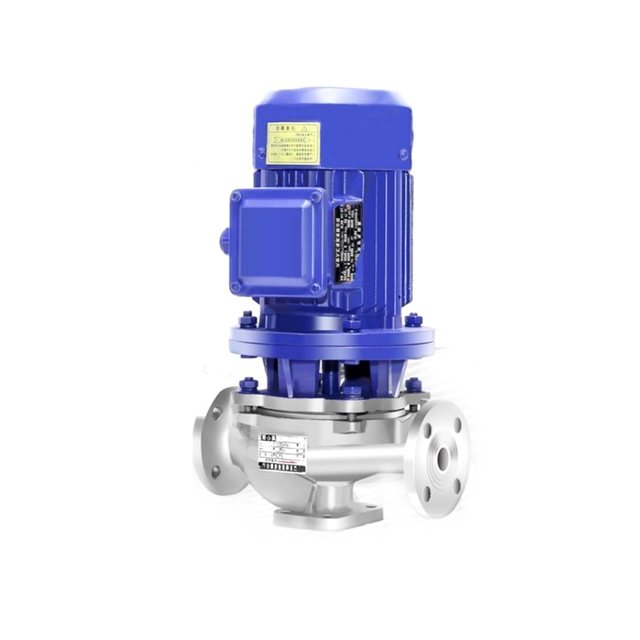
NFPA 20 provides critical guidance on selecting and sizing pumps for fire protection systems. The standard emphasizes the need to determine flow requirements based on the building's size and its fire hazard classification. For instance, larger buildings or those with higher occupancy levels typically require pumps that can deliver greater flow rates.
To ensure effective fire suppression, pumps must also meet specific pressure requirements. This means they should be capable of delivering water at pressures sufficient for firefighting equipment, such as sprinklers and hydrants. The criteria for selecting and sizing fire pumps include:
● Flow Rate: Calculated based on the maximum demand of the fire protection system.
● Pressure: Must align with the requirements of the system to avoid failure during emergencies.
Here’s a quick overview of the pump selection criteria:
Criteria | Description |
Flow Rate | Must meet the maximum demand for fire protection. |
Pressure | Should ensure effective operation of firefighting systems. |
Hazard Classification | Based on the fire risk associated with the building. |
According to NFPA 20, acceptable water supply sources are essential for the reliable operation of fire pumps. These sources can include municipal water systems, onsite tanks, and reservoirs. Each source must be capable of providing a continuous supply of water during emergencies.
A reliable water source is crucial because, without it, the pump cannot function effectively. Additionally, NFPA 20 mandates having a backup water supply in case the primary source fails. This ensures that firefighters have the necessary resources to combat a fire, regardless of the circumstances.
Here are the types of water supply sources specified in NFPA 20:
● Municipal Systems: Reliable and typically sufficient for most applications.
● Onsite Tanks: Useful for locations where municipal supply is inadequate.
● Reservoirs and Ponds: Can serve as alternative sources but must meet specific criteria for pressure and volume.
NFPA 20 outlines several types of pumps suitable for fire protection applications. The primary categories include centrifugal pumps, positive displacement pumps, and vertical turbine pumps. Each type has its advantages and is suited for different applications:
● Centrifugal Pumps: The most common choice for fire protection, known for their high flow rates and efficiency. They are typically used in most fire protection applications.
● Positive Displacement Pumps: Ideal for applications requiring consistent flow regardless of pressure changes. They are often used in specialized firefighting situations.
● Vertical Turbine Pumps: Suitable for situations where the water supply is located below the pump level, such as in deep wells or underground tanks.
For diesel engine-powered and electric motor-powered pumps, NFPA 20 provides specific guidelines to ensure they meet operational standards. These guidelines help ensure that the pumps function reliably, whether powered by electricity or diesel engines.
Here’s a brief comparison of the pump types:
Pump Type | Advantages | Applications |
Centrifugal Pumps | High flow rates, efficient operation | Most fire protection systems |
Positive Displacement | Consistent flow under varying pressures | Specialized firefighting applications |
Vertical Turbine Pumps | Effective in low-water situations | Deep wells, underground tanks |
Understanding these key requirements helps ensure that fire pumps are installed correctly and function effectively when needed most.
Choosing the right location for pump installation is crucial for optimal performance. NFPA 20 specifies that pumps can be installed indoors or outdoors, but each option has its considerations. Indoor installations often provide better protection from environmental factors, while outdoor setups may require additional precautions against weather conditions.
Accessibility is a key factor in pump installation. It is essential to ensure that the pump is easily reachable for maintenance and emergency response. This means providing enough space around the pump for technicians to work safely and efficiently. NFPA 20 also requires pumps to be installed in fire-rated rooms or enclosures, which helps contain any potential fire hazards and protects the equipment.
Here’s a quick guide on installation location considerations:
Location | Considerations |
Indoor | Better protection from the elements; requires fire-rated rooms. |
Outdoor | Needs weather protection; potential issues with freezing. |
Space requirements for pump installation cannot be overlooked. NFPA 20 mandates that there must be adequate clearance around the pump for maintenance and operation. This includes ensuring that there is enough room for technicians to access all parts of the pump easily.
Environmental factors also play a significant role in installation. Pumps should be protected from extreme temperatures, especially freezing conditions, which can cause significant damage. Proper ventilation is essential to maintain optimal operating temperatures and prevent overheating. Additionally, alignment is crucial; misaligned pumps can lead to increased wear and tear, reducing their lifespan.
Key space and environmental factors include:
● Clearance: Minimum distances must be maintained around the pump.
● Temperature Protection: Insulation or heating may be required in colder climates.
● Ventilation: Ensures proper airflow to keep the pump cool.
Electrical requirements for pump installations are critical to their operation. NFPA 20 emphasizes the need for a reliable power supply, which includes backup systems to ensure that the pump operates during power outages. This redundancy is vital for maintaining fire protection capabilities.
Control panels and alarms must adhere to NFPA 20 standards. These components provide essential information about the pump's status and alert personnel to any issues. Automatic starting mechanisms are also important; they allow the pump to activate immediately in response to a fire alarm, ensuring a rapid response when every second counts.
Here’s a summary of electrical and mechanical requirements:
Component | Requirements |
Power Supply | Must be reliable; backup systems are essential. |
Control Panels | Should meet NFPA 20 standards for safety and functionality. |
Automatic Starting | Enables immediate pump operation during emergencies. |
By following these guidelines laid out in NFPA 20, installations can ensure that fire pumps operate reliably and efficiently, providing the necessary protection during emergencies.
Regular testing of fire pumps is crucial for ensuring their reliability and effectiveness. NFPA 20 emphasizes the need for flow tests, performance tests, and adherence to maintenance schedules. These tests help verify that the pump can deliver the required flow rate and pressure during emergencies.
Flow tests assess the pump's capability to provide adequate water supply, while performance tests evaluate its operational efficiency. NFPA 20 outlines specific protocols for testing fire pumps, including annual and quarterly tests. These regular assessments not only ensure compliance with safety standards but also help identify any potential issues before they become critical.
Here's a quick overview of testing frequency and types:
Test Type | Frequency | Purpose |
Flow Test | Annually | Ensures adequate water supply during emergencies. |
Performance Test | Quarterly | Verifies operational efficiency and compliance. |
Maintaining fire pumps is essential for their long-term functionality. NFPA 20 recommends several maintenance practices to keep pumps in optimal condition. Regular checks for leaks, lubrication of moving parts, and operational verification are fundamental. These tasks help ensure that the pump operates smoothly and effectively when needed.
Recordkeeping is another vital aspect of pump maintenance. Keeping detailed logs of inspections and tests not only helps track performance but also demonstrates compliance with NFPA 20. This documentation can be crucial during audits or inspections, providing proof of ongoing maintenance efforts.
Here are some key maintenance practices:
● Leak Checks: Regularly inspect for leaks to prevent water loss and maintain pressure.
● Lubrication: Ensure all moving parts are adequately lubricated to reduce wear and tear.
● Operational Verification: Periodically test the pump to confirm it operates correctly under expected conditions.
Maintenance Task | Frequency | Importance |
Leak Checks | Monthly | Prevents water loss and maintains pressure. |
Lubrication | Quarterly | Reduces wear and extends pump life. |
Operational Tests | Annually | Confirms functionality and compliance. |
By following these testing and maintenance requirements, facilities can ensure their fire pumps are reliable and ready to respond in emergencies. Keeping up with these protocols not only enhances safety but also extends the lifespan of the equipment.
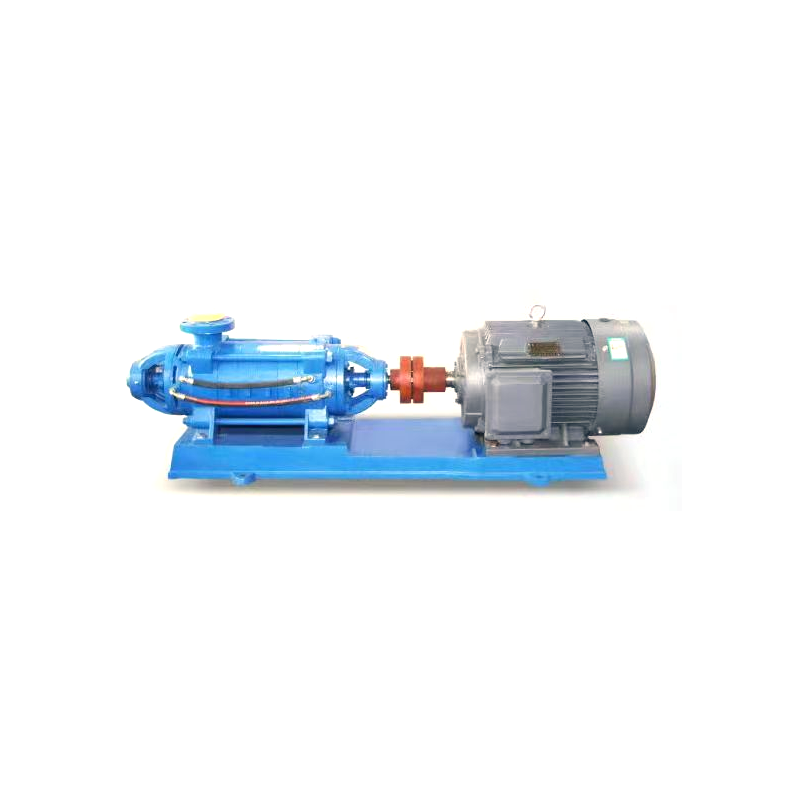
When it comes to pump installation, several common pitfalls can arise, leading to significant performance issues down the line. One frequent problem is undersized piping. If the pipes are too small, they can restrict water flow, which compromises the pump's ability to deliver the required pressure and flow rate during emergencies.
Another concern is inadequate clearance around the pump. Without sufficient space, maintenance becomes difficult, and the pump may overheat or fail due to restricted airflow. Additionally, using non-compliant components can lead to safety hazards and regulatory issues, as these parts may not meet the standards outlined in NFPA 20.
Environmental factors also play a critical role. For example, extreme temperatures can affect pump performance, leading to freezing or overheating. Proper installation must consider these factors to ensure reliable operation.
Here’s a quick summary of common installation issues:
Issue | Description |
Undersized Piping | Restricts flow, impacting pressure and performance. |
Inadequate Clearance | Limits maintenance access and can cause overheating. |
Non-Compliant Parts | May lead to safety hazards and regulatory penalties. |
To overcome the challenges associated with pump installation, working with certified professionals is essential. These experts understand the intricacies of NFPA 20 and can help ensure that all components are compliant and correctly installed.
Utilizing NFPA 20 guidelines during the installation process is crucial. This means following best practices for sizing, placement, and environmental considerations. For instance, ensuring that piping is appropriately sized and that there is ample clearance for maintenance can significantly enhance the pump's reliability.
Here are some strategies for effective installation:
● Engage Certified Professionals: Their expertise ensures compliance with all regulations and standards.
● Follow NFPA 20 Guidelines: Adhering to these guidelines helps to avoid common pitfalls and enhances system reliability.
● Conduct Thorough Assessments: Evaluate environmental conditions and adjust installation practices accordingly to mitigate risks.
Solution | Description |
Certified Professionals | Ensure compliance and proper installation practices. |
NFPA 20 Guidelines | Follow standards to avoid common pitfalls. |
Thorough Assessments | Evaluate environmental factors for optimal setup. |
By addressing these challenges proactively and employing effective solutions, facilities can achieve a successful pump installation that meets NFPA 20 standards and ensures reliable fire protection.
NFPA 20 plays a crucial role in ensuring safe and effective pump installation. Its guidelines help prevent common issues, enhancing reliability and performance. Compliance with these standards is vital for safety and operational efficiency. We encourage prioritizing compliance and recommend contacting certified professionals for NFPA 20-compliant pump installation. At Diequan, our products offer unique advantages, ensuring top-notch performance and reliability, making us your trusted partner in fire protection solutions.
A: NFPA 20 is a standard that provides guidelines for the installation of fire pumps, ensuring they operate effectively during emergencies.
A: Compliance ensures safety, reliability, and optimal performance of the pump, helping to prevent failures during critical situations.
A: Common issues include undersized piping, inadequate clearance, and using non-compliant components, which can hinder pump performance.
A: Work with certified professionals who are familiar with NFPA 20 guidelines to ensure proper installation and compliance.
A: NFPA 20-compliant pumps enhance fire protection, improve reliability, and reduce the risk of operational failures in emergencies.


