
close
Choose Your Site
Global
Social Media


Views: 0 Author: Site Editor Publish Time: 2026-01-05 Origin: Site


Fire pumps are vital for effective fire protection. They ensure adequate water pressure and flow during emergencies. Understanding the 10 times rule is crucial for designing reliable fire pump systems. In this post, you’ll learn what the 10 times rule is and why it matters for fire pump performance.
The 10 times rule is a critical guideline in fire pump design. This rule states that the suction pipe must have a straight section equal to at least 10 times its diameter before reaching the pump's suction inlet.
This design feature is essential for several reasons. First, it helps maintain a smooth flow of water into the pump. When water flows smoothly, it reduces the risk of turbulence, which can lead to cavitation. Cavitation occurs when pressure drops, creating vapor bubbles in the water. These bubbles can collapse violently, damaging the pump's internal components and reducing its efficiency.
Issue | Impact on Fire Pumps |
Causes erratic flow, increasing wear. | |
Cavitation | Leads to severe damage and reduced life. |
Flow Efficiency | Smooth flow ensures optimal performance. |
By adhering to the 10 times rule, fire system designers can significantly reduce these risks, ensuring that fire pumps operate effectively during emergencies.
The importance of the 10 times rule cannot be overstated. It directly impacts pump performance and reliability. When the suction pipe is designed according to this rule, it ensures optimal water flow to the fire pump. This is crucial in emergencies when every second counts.
Moreover, compliance with the 10 times rule is linked to NFPA 20, the standard for the installation of stationary pumps for fire protection. Following this rule not only meets regulatory requirements but also enhances overall fire safety.
1. Improved Performance: Ensures pumps operate at their rated capacity without unnecessary strain.
2. Increased Reliability: Reduces the likelihood of failures due to cavitation or turbulence.
3. Regulatory Compliance: Aligns installations with NFPA standards, helping avoid legal issues.
Understanding and applying the 10 times rule is essential for anyone involved in designing or maintaining fire protection systems. It’s a straightforward yet powerful guideline that plays a pivotal role in ensuring fire pumps function optimally when needed most.
Understanding the hydraulic principles is essential for effective fire pump design. Fluid flow is governed by several basic principles, such as pressure, velocity, and viscosity. These factors determine how water moves through pipes and how pumps operate.
One key concept is laminar flow, where fluid moves in parallel layers with minimal disruption. This smooth flow is crucial for fire pumps. When water flows smoothly, it reduces friction losses and maximizes efficiency. In contrast, turbulent flow creates chaotic patterns, leading to pressure fluctuations and inefficiencies.
Flow Type | Characteristics | Impact on Fire Pumps |
Laminar Flow | Smooth, orderly movement | Efficient operation, reduced wear. |
Turbulent Flow | Chaotic, irregular movement | Increased friction, potential damage. |
Turbulence can lead to cavitation, a phenomenon where vapor bubbles form in low-pressure areas. These bubbles collapse violently when they enter higher pressure zones, causing significant damage to pump components. Understanding these principles helps engineers design systems that maintain laminar flow, ensuring fire pumps operate reliably.
The 10 times rule plays a vital role in preventing cavitation by ensuring a straight section of suction piping before the pump. When water enters the pump, it should do so without turbulence. If the suction pipe is too short or improperly designed, turbulence increases, raising the risk of cavitation.
Maintaining a smooth flow is essential for protecting pump components. Here’s how it works:
1. Reduced Risk of Damage: Smooth flow minimizes the chances of cavitation, which can erode impellers and other critical parts.
2. Enhanced Performance: When water flows smoothly, fire pumps can deliver the required pressure and flow rates efficiently.
3. Increased Longevity: Preventing cavitation extends the lifespan of the pump, reducing maintenance costs over time.
Cavitation can severely impact pump performance. When it occurs, the following issues may arise:
● Decreased Efficiency: Pumps may struggle to maintain the required flow rates.
● Increased Wear: Damage from collapsing bubbles leads to costly repairs.
● Potential System Failures: Severe cavitation can result in complete pump failure, jeopardizing fire protection efforts.
By adhering to the 10 times rule, designers can ensure that fire pumps operate effectively, maintaining the safety and reliability of fire protection systems.
Applying the 10 times rule in fire pump design is essential for creating effective fire protection systems. To start, ensure that the suction pipe has a straight section that is at least 10 times its diameter before reaching the pump’s inlet. This simple guideline helps maintain optimal flow and minimizes turbulence.
Here are a few examples of layouts that comply with the 10 times rule:
1. Straight Pipe Layout: A straight section of pipe leads directly into the pump, minimizing bends and turns.
2. Gradual Bends: If bends are necessary, they should be gradual, allowing water to flow smoothly without sharp angles.
3. Extended Suction Lines: In larger installations, using longer suction lines can help achieve the required straight section.
Layout Type | Description | Benefits |
Straight Layout | Direct connection to the pump | Reduces turbulence and cavitation. |
Gradual Bends | Smooth transitions in the piping | Helps maintain laminar flow. |
Extended Lines | Longer suction pipes | Ensures compliance in larger systems. |
When designing for specific environments, such as corrosive settings, consider using materials that resist deterioration. Stainless steel or specialized plastics can enhance durability and performance.
Even experienced designers can make mistakes when applying the 10 times rule. Here are some common errors in fire pump installations:
1. Insufficient Straight Sections: Failing to provide enough straight length before the pump can lead to turbulence.
2. Sharp Bends: Installing sharp bends in the suction line disrupts flow and increases the risk of cavitation.
3. Ignoring Environmental Factors: Not accounting for the specific environment can lead to material degradation and system failure.
The consequences of ignoring the 10 times rule can be severe. Here’s what can happen:
● Increased Maintenance Costs: Pumps may require more frequent repairs due to cavitation damage.
● Reduced Performance: Systems may not deliver the required flow rates during emergencies, compromising safety.
● Potential System Failures: In extreme cases, improper design can lead to complete pump failure, risking lives and property.
Several documented cases highlight the importance of adhering to the 10 times rule. For instance, a fire protection system in a commercial building failed due to inadequate suction pipe design. The result was significant turbulence, leading to cavitation and ultimately pump failure during a critical moment.
Another case involved an industrial facility where sharp bends in the suction line caused repeated cavitation. The facility faced increased downtime and repair costs, highlighting how crucial it is to follow design guidelines.
By understanding these practical applications and avoiding common mistakes, designers can ensure fire pumps operate effectively, providing reliable protection when it's needed most.
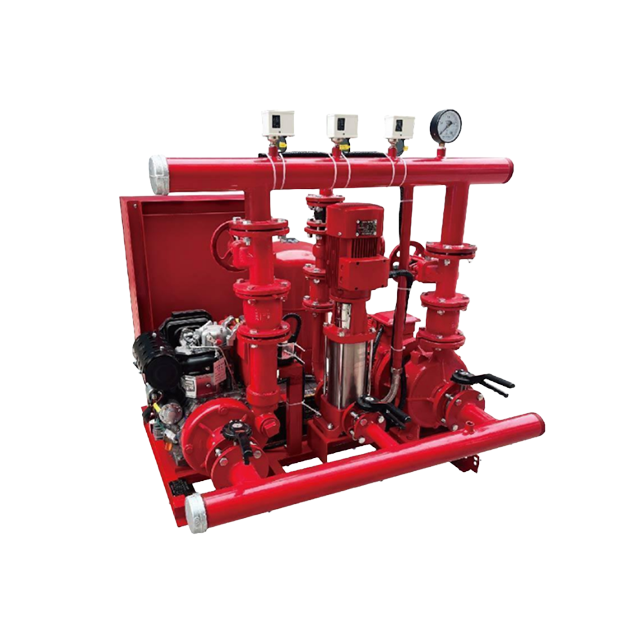
When it comes to fire pumps, compliance with NFPA standards is crucial. The National Fire Protection Association (NFPA) has established several standards, including NFPA 20, which specifically addresses the installation of stationary pumps for fire protection. This standard references the 10 times rule, emphasizing the importance of proper suction pipe design to ensure reliable pump operation.
Compliance is not just a best practice; it’s a legal requirement in many jurisdictions. Adhering to NFPA standards helps ensure safety for both people and property. If a fire pump fails due to improper installation, the consequences can be severe, including legal liability for building owners and designers.
Moreover, compliance with these standards can significantly impact insurance coverage. Many insurance companies require adherence to NFPA standards to provide coverage for fire protection systems. This connection to legal and financial responsibilities makes understanding and applying these regulations essential for anyone involved in fire protection design.
In addition to NFPA standards, Underwriters Laboratories (UL) listing and Factory Mutual (FM) approval play critical roles in pump selection. These certifications indicate that a fire pump has been tested and meets specific safety and performance criteria.
Certification | Description | Importance |
UL Listing | Indicates compliance with safety standards | Ensures reliability and safety in fire protection. |
FM Approval | Certifies performance under specific conditions | Provides assurance of pump reliability in emergencies. |
Selecting pumps with these certifications ensures that they meet stringent safety standards, further enhancing the reliability of fire protection systems.
Regular inspection and testing are vital for maintaining fire pumps. The 10 times rule is evaluated during these inspections to ensure compliance with design standards. Inspectors look for the proper length of the suction piping and check for any signs of turbulence or wear.
Regular testing helps identify potential issues before they become critical failures. Fire pumps should undergo routine checks to ensure they function correctly. This includes checking flow rates, pressure levels, and the condition of the suction piping.
Testing procedures for fire pumps typically follow a structured schedule:
● Weekly Checks: Inspect the pump for leaks and listen for unusual noises. Verify that the pump starts and stops correctly.
● Monthly Tests: Conduct flow tests to ensure the pump can deliver the required flow rate. Check pressure gauges for accuracy.
● Annual Inspections: Complete a thorough inspection of the entire fire protection system, including the pump, piping, and control systems. This may involve more extensive testing and maintenance.
Testing Frequency | Activities | Purpose |
Weekly | Visual inspections, basic functionality tests | Ensure operational readiness. |
Monthly | Flow tests, pressure checks | Confirm performance meets required standards. |
Annually | Comprehensive system inspection | Identify and resolve potential issues proactively. |
By following these testing schedules and ensuring compliance with NFPA standards, fire protection systems can operate effectively, providing safety and peace of mind.
The 10 times rule has proven to be a cornerstone in the design of effective fire protection systems. Numerous case studies highlight successful implementations where adherence to this guideline resulted in reliable fire pump performance. For instance, a large commercial building in New York City recently underwent a fire protection system upgrade. The design team ensured that the suction pipes leading to the fire pumps met the 10 times rule. As a result, the system performed flawlessly during a recent fire drill, demonstrating optimal water flow and pressure.
On the other hand, there are cautionary tales from installations that failed to comply with the 10 times rule. In one notable case, a manufacturing facility experienced repeated pump failures due to inadequate suction line design. The engineers neglected to provide the required straight section before the pump, leading to significant turbulence and cavitation. This oversight resulted in costly repairs and downtime, emphasizing the importance of following design guidelines.
Case Study | Outcome | Key Takeaway |
NYC Commercial Building | Reliable performance during fire drills | Compliance ensures optimal pump operation. |
Manufacturing Facility | Frequent pump failures and costly repairs | Neglecting the rule leads to serious issues. |
Insights from facility managers and engineers consistently point to best practices that include rigorous adherence to the 10 times rule. They emphasize the need for thorough planning and design reviews to avoid pitfalls that could compromise system performance.
Industry professionals recognize the significance of the 10 times rule in fire pump design. Fire protection engineers often highlight how this guideline not only enhances performance but also ensures compliance with safety standards. One engineer noted, "The 10 times rule is not just a guideline; it's a necessity for ensuring that fire pumps operate reliably when needed most."
● John Smith, Fire Protection Engineer: "In my experience, systems designed with the 10 times rule in mind have far fewer issues during testing and real emergencies."
● Lisa Brown, Facility Manager: "We learned the hard way that ignoring this rule can lead to catastrophic failures. Now, it’s the first thing we check in our designs."
Proper pump selection and installation are crucial for maximizing the effectiveness of fire protection systems. Engineers stress that choosing the right pump for the specific application is essential. Factors such as flow rate, pressure requirements, and environmental conditions must all be considered.
Considerations for Pump Selection | Impact on Performance |
Flow Rate | Ensures adequate water supply during emergencies. |
Pressure Requirements | Prevents issues related to cavitation and turbulence. |
Environmental Conditions | Influences material selection and durability. |
By integrating expert insights and real-world examples, it becomes clear that adherence to the 10 times rule is vital for the success of fire protection systems. These lessons learned from both successful applications and failures serve as a guide for future designs, ensuring safety and reliability in fire pump operations.
The 10 times rule is crucial for fire pump reliability. It ensures proper suction pipe design to prevent issues like cavitation. Adhering to this rule enhances overall system performance and safety. Staying updated with NFPA standards is essential for all fire protection systems.
We encourage readers to evaluate their fire pump systems for compliance with the 10 times rule. Consulting with fire protection professionals can help identify necessary upgrades. For those seeking quality solutions, Diequan offers innovative products that enhance fire safety and operational efficiency. Their expertise ensures your fire protection systems are reliable and effective.
A: The 10 times rule states that the straight section of the suction pipe should be at least ten times its diameter before entering the fire pump. This design helps maintain optimal flow and prevents issues like cavitation.
A: Adhering to the 10 times rule ensures reliable operation of fire pumps, reduces maintenance costs, and enhances overall system performance during emergencies.
A: To ensure compliance, evaluate the design of your fire pump system, focusing on the length and layout of the suction piping. Consulting a fire protection professional can provide valuable insights.
A: Ignoring the 10 times rule can lead to turbulent flow, increased wear on the fire pump, and potential system failures during critical situations.
A: Fire pumps should undergo regular inspections, including weekly checks and annual evaluations, to ensure they meet the 10 times rule and function properly.


