
close
Choose Your Site
Global
Social Media


Views: 0 Author: Site Editor Publish Time: 2026-06-02 Origin: Site


Fires can cause devastating damage if not controlled quickly. How can industries ensure reliable fire protection? EDJ type End Suction Fire Pump Units offer a robust solution. These pumps provide consistent water pressure and automatic switching for safety. In this post, you’ll learn about their features and diverse applications across industries.
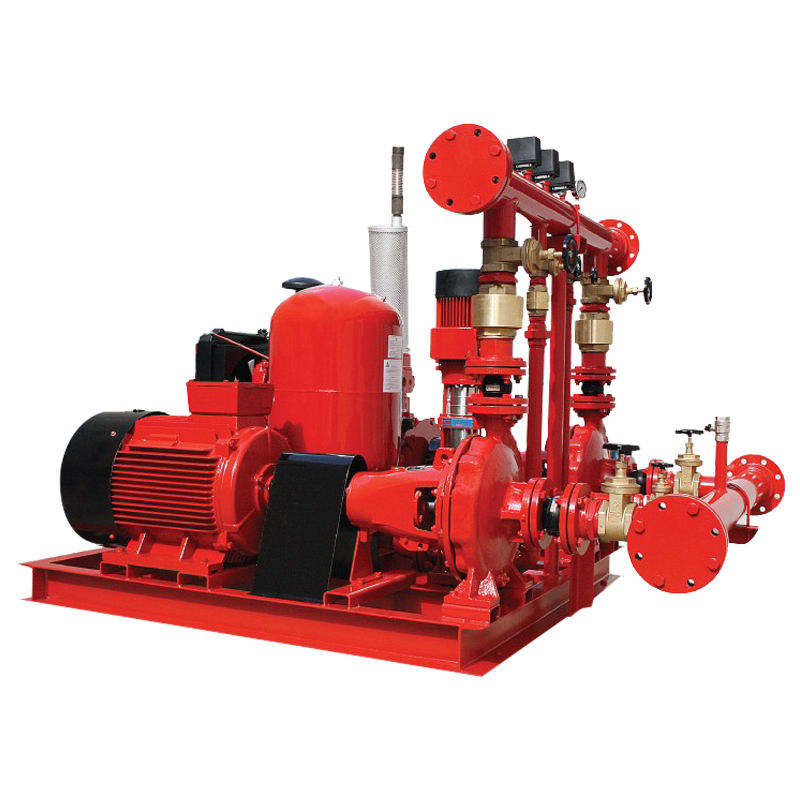
EDJ type end suction fire pumps are built for durability and reliability. Their pump casings often use cast iron with anti-corrosive coatings to resist rust and wear. Impellers come in stainless steel AISI 304 or cast iron, ensuring strength and corrosion resistance. Shafts are made from stainless steel or galvanized iron, offering high tensile strength and resistance to environmental damage. Bearings are high-quality NSK types, known for wear resistance and long service life. Mechanical seals are designed to prevent leaks and withstand high pressure, enhancing operational safety.
These pumps deliver flows up to 3000 gallons per minute (GPM), suitable for large-scale fire suppression needs. They operate efficiently at heads up to 150 meters, providing the pressure necessary to reach upper floors in high-rise buildings or extended industrial sites. The maximum working pressure can reach 16 bar, ensuring strong water delivery even under demanding conditions. Continuous service rating (S1) means the pump can run steadily during emergencies without overheating or damage.
The EDJ system integrates three pump types for robust fire protection:
Electric Pump: Primary power source, efficient and reliable when electricity is available.
Diesel Pump: Backup during power outages, meeting China III emission standards for environmental compliance.
Jockey Pump: Maintains system pressure during normal conditions, activating automatically to stabilize pressure drops.
This combination guarantees uninterrupted water supply regardless of power availability or pressure fluctuations.
One standout feature is the automatic switching between pumps. When pressure drops slightly, the jockey pump activates to maintain pressure. If the drop continues, the electric pump starts automatically. In the event of power failure, the diesel pump takes over seamlessly. This layered approach ensures system redundancy, preventing downtime during critical fire emergencies. Control panels monitor pump status and switch operation modes without manual intervention, increasing safety and reliability.
EDJ fire pump units meet stringent international safety and performance standards, including UL Listing and NFPA compliance. These certifications guarantee that the pumps have been tested for efficiency, durability, and safety under fire emergency conditions. Compliance ensures acceptance in commercial, residential, and industrial fire protection systems worldwide. The use of certified components and adherence to standards also simplifies regulatory approval during installation.
Note: Regularly verify that your EDJ fire pump system complies with the latest local and international fire safety standards to ensure optimal performance and legal compliance.
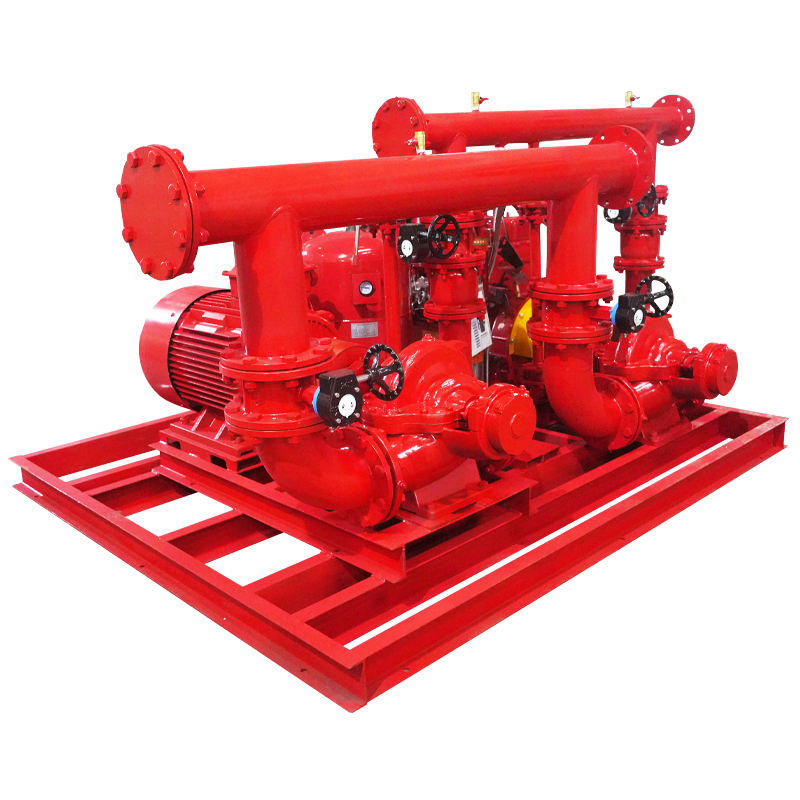
High-rise residential buildings often face challenges in maintaining adequate water pressure on upper floors during fire emergencies. EDJ type end suction fire pump units excel here by boosting water pressure efficiently, ensuring fire sprinklers and hose systems operate effectively on every floor. Their compact design allows easy installation in limited spaces, typical in residential basements or mechanical rooms.
These pumps' automatic switching feature guarantees continuous operation even if the power fails, providing residents with reliable fire protection. The jockey pump maintains system pressure during normal conditions, so the main pumps activate only when needed, reducing wear and energy consumption.
Office buildings and retail centers demand dependable fire protection due to high occupancy and valuable assets. EDJ fire pump units integrate seamlessly with these commercial fire systems, supplying consistent water flow to sprinklers, hydrants, and fire hoses.
Their capability to handle flow rates up to 3000 GPM and pressures up to 16 bar makes them suitable for large floor areas and multiple fire zones. The diesel pump backup ensures operation during power outages, critical in commercial settings where downtime can be costly.
EDJ fire pump units are designed to support various fire suppression equipment, including wet pipe sprinkler systems, dry pipe systems, and fire hose reels. They provide the necessary pressure and flow to activate sprinklers quickly and maintain water supply for firefighting teams.
The control panels offer automated monitoring and switching between electric, diesel, and jockey pumps, ensuring seamless pressure management. This integration enhances system responsiveness and minimizes manual intervention during emergencies.
By maintaining stable water pressure and flow, EDJ fire pump units help contain fires rapidly, reducing damage and increasing occupant safety. Their reliable operation minimizes risks of sprinkler failure or insufficient water delivery.
The pumps' robust construction, featuring corrosion-resistant materials and wear-resistant mechanical seals, ensures long-term reliability, even in demanding building environments. This durability translates into lower maintenance costs and higher confidence in fire protection systems.
Tip: Regularly test EDJ fire pump units under real operating conditions in commercial and residential buildings to ensure automatic switching and pressure stabilization functions work flawlessly during emergencies.
Manufacturing plants and warehouses often contain large quantities of combustible materials and machinery, making fire safety a top priority. EDJ type end suction fire pump units provide a dependable water supply to fire suppression systems, ensuring rapid response in emergencies. Their high flow capacity and pressure capabilities help deliver water across expansive floor areas and complex piping networks. These pumps maintain system pressure for sprinklers, hydrants, and hoses, minimizing fire spread risk and protecting valuable assets.
The automatic switching feature between jockey, electric, and diesel pumps guarantees continuous operation even during power outages or pressure drops. This redundancy is crucial in industrial environments where downtime can lead to significant financial losses. Additionally, the robust construction of EDJ pumps resists wear from dust, vibration, and temperature fluctuations common in factory and storage settings.
Chemical and petrochemical industries face unique fire hazards due to flammable liquids, gases, and reactive substances. EDJ end suction fire pump units are engineered to meet these challenges by offering reliable, high-pressure water delivery essential for controlling hazardous fires. The pumps’ corrosion-resistant materials, like stainless steel impellers and coated casings, withstand aggressive environments and chemical exposure.
These units support specialized fire suppression systems, including foam and deluge setups, which require precise pressure and flow control. The system’s ability to switch automatically between power sources ensures firefighting capabilities remain uninterrupted, even during emergencies affecting electrical supply. This reliability is vital to prevent catastrophic incidents and comply with stringent industrial safety regulations.
Industrial sites often expose equipment to extreme conditions such as high temperatures, dust, moisture, and mechanical shocks. EDJ fire pump units are designed to endure these stresses through durable materials and quality components like NSK bearings and wear-resistant mechanical seals. Their compact footprint and modular design allow easy installation in confined or challenging spaces.
The pumps operate efficiently across a wide ambient temperature range (-10℃ to +50℃) and handle pressures up to 16 bar, suitable for diverse industrial fire protection needs. Their continuous service rating (S1) means they can run steadily during prolonged emergencies without risk of overheating. This adaptability ensures long-term reliability and reduces maintenance frequency, saving costs and minimizing operational disruptions.
Industries must comply with local and international fire safety standards, including NFPA, UL, and other certifications. EDJ type end suction fire pump units meet or exceed these requirements, providing documented performance and safety assurances. Their integration into fire protection systems helps facilities pass inspections and maintain insurance coverage.
The automatic control panels simplify system monitoring and testing, facilitating adherence to routine inspection protocols. By ensuring constant water pressure and reliable pump activation, these units support compliance with fire codes demanding immediate response capabilities. Choosing EDJ pumps demonstrates a commitment to workplace safety and regulatory responsibility, essential for industrial operations.
Tip: Schedule regular performance tests and maintenance for EDJ fire pump units in industrial settings to ensure uninterrupted operation and regulatory compliance during emergencies.
Hospitals, schools, and government buildings host large numbers of people daily, making fire safety paramount. EDJ type end suction fire pump units ensure a reliable water supply to fire suppression systems in these facilities. Their high flow capacity and pressure capabilities allow water to reach all necessary points quickly, supporting sprinkler systems and fire hoses effectively.
The automatic switching between jockey, electric, and diesel pumps guarantees continuous operation even during power outages. This reliability is critical in hospitals where patient safety depends on uninterrupted fire protection. Schools and government offices also benefit from these pumps’ ability to maintain stable pressure, helping evacuations proceed safely and minimizing fire damage.
Airports and transportation hubs are complex environments with high fire risks due to large crowds, fuel storage, and electronic equipment. EDJ fire pump units provide dependable water pressure needed for extensive fire sprinkler and hydrant systems in these settings.
Their compact design fits well into limited mechanical rooms, while their robust construction withstands vibrations and temperature variations typical in transportation facilities. The redundancy offered by the three-pump system ensures the fire protection network remains active during emergencies, even if one power source fails.
Outdoor areas such as parks and forests face unique fire hazards, especially during dry seasons. EDJ type end suction fire pump units can be integrated into outdoor fire protection systems, including hydrants and water monitors, to combat wildfires or accidental fires quickly.
These pumps handle variable water sources, including reservoirs or ponds, and maintain consistent pressure despite environmental challenges like dust, humidity, or temperature swings. Their corrosion-resistant materials and durable seals help extend service life in outdoor conditions.
Public spaces like stadiums, convention centers, and theaters require robust fire protection systems due to high occupant density. EDJ fire pump units deliver the necessary water flow and pressure to cover large areas and multiple fire zones simultaneously.
The automatic control panel monitors system pressure and switches pumps as needed without manual intervention, ensuring immediate response during fire events. This enhances occupant safety by enabling rapid fire suppression and facilitating safe evacuation.
Tip: For public infrastructure and outdoor installations, regularly test EDJ fire pump units under real-world conditions to verify automatic switching and pressure stabilization functions perform reliably during emergencies.
Regular inspections are essential to keep EDJ fire pump units ready for action. Check the pumps weekly or monthly depending on local regulations and system usage. Look for signs of leakage, unusual noises, or vibrations. Conduct flow tests to confirm the pump delivers the required pressure and volume. Testing under load simulates real fire conditions, ensuring the automatic switching between jockey, electric, and diesel pumps works flawlessly. Document all inspection results and any corrective actions taken to maintain a clear maintenance history.
Proper lubrication extends the life of bearings and moving parts. Use manufacturer-recommended lubricants and follow the specified schedule. Over-lubrication can be as harmful as under-lubrication, so apply the correct amount carefully. Mechanical seals prevent water leaks and protect internal components. Inspect seals regularly for wear or damage, replacing them promptly if leaks occur. Well-maintained seals reduce downtime and prevent costly repairs.
The diesel pump relies on a battery-powered starter. Keep batteries fully charged using an electronic charger designed for fire pump systems. Test battery voltage and capacity periodically, replacing weak batteries before failure. Inspect wiring and connections for corrosion or damage. For electric pumps, ensure stable power supply and check control panel functions. Backup power systems should be tested to guarantee seamless switching during outages.
Professional installation ensures all components align correctly and function as intended. Certified technicians understand fire safety codes and manufacturer requirements, reducing the risk of installation errors. Regular maintenance by qualified personnel keeps the system compliant with safety standards and extends its operational lifespan. They can also perform advanced diagnostics and troubleshoot complex issues beyond routine checks.
Common problems include failure to start, pressure fluctuations, or abnormal noises. If the pump does not start, verify power supply, control panel settings, and battery status. Pressure drops may indicate leaks, clogged suction lines, or worn impellers. Unusual noises often point to bearing wear or misalignment. Consult the pump manual for specific troubleshooting steps and consider professional service for persistent issues. Timely diagnosis prevents minor faults from escalating into major failures.
Tip: Schedule routine performance tests and inspections for EDJ fire pump units to ensure automatic switching and pressure stabilization operate reliably during emergencies.
EDJ type end suction fire pump units stand out for their energy-saving design. Their YE3 high-efficiency motors consume less power while maintaining strong performance. This efficiency reduces operational costs, especially in large facilities running pumps for extended periods. The jockey pump also helps by maintaining pressure during idle times, preventing unnecessary full pump starts and saving energy. Over time, these savings add up, making EDJ units cost-effective choices for businesses.
Space is often limited in mechanical rooms or basements where fire pumps install. EDJ units feature a compact footprint, allowing easy placement even in tight areas. Their end suction configuration simplifies piping and reduces overall system size. This space-saving design benefits high-rise buildings and industrial plants where every square foot counts. Moreover, the integrated three-pump system (electric, diesel, jockey) consolidates equipment, minimizing clutter and easing maintenance access.
Every fire protection system has unique requirements. EDJ fire pump units offer flexible customization options to match specific flow, pressure, and power needs. Customers can select materials like cast iron, stainless steel, or bronze for pump components based on application demands. Motor power ranges widely, from 5.5 kW to 315 kW, accommodating small to large-scale projects. Control panels come in integrated or separate cabinets, and additional accessories like valves or pressure tanks can be included. This adaptability allows scaling the system up or down without redesigning the entire setup.
Built for tough environments, EDJ pumps use high-quality materials and components. The pump casing features anti-corrosive coatings, and impellers come in stainless steel or cast iron for wear resistance. NSK bearings and mechanical seals ensure smooth operation and prevent leaks, even under continuous use. This rugged construction withstands harsh industrial conditions, temperature fluctuations, and frequent starts and stops. As a result, EDJ pump units deliver dependable performance over many years, reducing downtime and maintenance costs.
One of the strongest advantages of EDJ fire pump units is their automatic switching system. The jockey pump activates first to maintain pressure during small drops, conserving energy. If pressure falls further, the electric pump starts automatically to supply full fire flow. When power fails, the diesel pump kicks in seamlessly, ensuring uninterrupted operation. This layered redundancy eliminates manual intervention during emergencies, enhancing safety for occupants and property. The control panel continuously monitors system status, switching pumps instantly to keep water flowing when it matters most.
Tip: Regularly test the automatic switching functions of your EDJ fire pump units under real operating conditions to ensure seamless transitions between jockey, electric, and diesel pumps during emergencies.
EDJ fire pump units are moving toward smart integration. Sensors embedded in the system monitor pressure, flow, and pump status continuously. These sensors connect to IoT platforms, allowing real-time data access from anywhere. Facility managers can receive alerts about potential faults or performance drops instantly. This proactive approach reduces downtime and improves emergency readiness. Smart systems can even automate maintenance scheduling based on actual usage and conditions, not just fixed intervals.
Energy efficiency remains a top priority. EDJ pumps now feature YE3 high-efficiency motors that consume less power while delivering full performance. These motors reduce operational costs and carbon footprints. Future designs may incorporate variable frequency drives (VFDs) to adjust motor speed dynamically. VFDs optimize power use by matching pump output to demand, avoiding energy waste during low-flow periods. Such technology extends motor life and lowers electricity bills, especially in large facilities.
Remote monitoring capabilities enable technicians to track pump health without visiting the site. Cloud-based dashboards display operational metrics, alarms, and maintenance history. Predictive maintenance uses data analytics to forecast component wear or failure before it happens. For example, vibration or temperature trends can signal bearing wear early. This foresight helps schedule repairs during planned downtime, avoiding costly emergency fixes. It also extends the service life of critical parts like mechanical seals and bearings.
Sustainability drives innovation in pump materials and manufacturing processes. EDJ units increasingly use recyclable materials and eco-friendly coatings that resist corrosion without harmful chemicals. Designs focus on minimizing water wastage during operation and testing. Additionally, hybrid power options combining electric and clean diesel engines reduce emissions. Manufacturers aim to meet global environmental standards, making EDJ pumps suitable for green building certifications.
As technology advances, industry standards evolve. EDJ fire pump units influence updates in fire safety codes by demonstrating higher reliability and smarter controls. Compliance with international standards like UL, NFPA, and China III emissions ensures global acceptance. Regulatory bodies increasingly require digital monitoring and automatic switching features proven in EDJ systems. These innovations raise the baseline for fire pump performance, pushing the entire industry toward safer, more efficient solutions.
Tip: Invest in EDJ fire pump units with IoT-enabled monitoring and predictive maintenance to enhance reliability and reduce unexpected downtime during fire emergencies.
EDJ type end suction fire pump units provide reliable, high-performance fire protection across various industries. Their durability, automatic switching, and energy efficiency ensure continuous operation during emergencies. These pumps support commercial, industrial, and public infrastructure with stable water flow and pressure. Proper selection and regular maintenance maximize safety and system longevity. Choosing EDJ pumps enhances fire safety and compliance with regulations. Shanghai Diequan Water Pump (Group) Co., Ltd. offers these advanced solutions, delivering value through quality and innovation.
A: EDJ type End Suction Fire Pump Units are durable fire pumps designed for reliable water delivery in fire protection systems, featuring automatic switching between electric, diesel, and jockey pumps for continuous operation.
A: They maintain stable water pressure and flow, ensuring sprinklers and hoses work effectively, with automatic switching to backup pumps during power failures or pressure drops.
A: They offer energy efficiency, compact design, automatic pump switching, and robust construction for long-term reliability and cost savings.
A: Check power supply, control panel, and battery status; inspect for leaks or worn parts; and consult manuals or professionals for persistent problems.
A: Yes, they meet international standards like UL and NFPA, ensuring regulatory compliance and acceptance in various industries.


