
close
Choose Your Site
Global
Social Media


Views: 0 Author: Site Editor Publish Time: 2026-01-05 Origin: Site


Are you aware of the crucial role pumps play in fire safety? Understanding the differences between jockey pumps and booster pumps is vital for effective fire protection systems.
In this post, we’ll explore what each pump does and why maintaining consistent water pressure is essential for safety. You’ll learn how these pumps work together to protect lives and property during emergencies.
A jockey pump is a crucial component in fire protection systems. It is a small, high-pressure pump designed to maintain consistent water pressure. By doing so, it ensures that the fire protection system is always ready for immediate activation. This pump is vital in preventing unnecessary activation of sprinkler heads, which can occur due to pressure fluctuations.
In many applications, jockey pumps are used in conjunction with larger fire pumps, ensuring that the system remains pressurized even when not in use. This readiness is essential for effective firefighting and minimizing water damage from accidental sprinkler activation.
Jockey pumps possess several key features that make them effective in maintaining water pressure. Here are some of the most notable:
● High-Pressure Capabilities: These pumps are designed to handle high pressure, ensuring that the fire protection system operates efficiently.
● Automatic Operation: Jockey pumps operate automatically, activating when they detect a drop in pressure. This feature allows them to maintain consistent pressure without manual intervention.
● Compact Design and Efficiency: Their small size makes jockey pumps easy to install in various locations, and they are designed for energy efficiency, reducing operational costs.
● Multistage Centrifugal Pumps: Many jockey pumps use multistage centrifugal pump technology. This design allows for high pressure and consistent flow, making them ideal for fire protection applications.
Understanding the operation of a jockey pump is essential for recognizing its role in fire safety.
The jockey pump continuously monitors the system's water pressure. When it detects a drop below a certain threshold, it activates to restore the desired pressure. This mechanism is crucial during non-emergency situations, as it prevents pressure drops that could lead to false alarms in fire systems.
By maintaining stable pressure, the jockey pump ensures that the entire fire protection system is ready at a moment's notice. This capability is especially important in buildings where even minor pressure fluctuations can trigger sprinkler heads unnecessarily, leading to potential water damage.
There are various models of jockey pumps available, each designed to meet specific needs. Here’s a look at some popular options:
Model | Description | Advantages |
Lowara e-SV | A versatile multistage pump suitable for various applications. | High efficiency and reliability. |
Grundfos CR | Known for its compact design and high performance. | Energy-efficient and easy to install. |
Purity Pump Solutions | Offers advanced features tailored for fire protection. | Customizable options for specific system needs. |
These pumps are favored for their efficiency and reliability. The use of multistage centrifugal pumps in jockey applications enhances their performance, ensuring that they can handle varying flow rates and pressure levels effectively.
In summary, jockey pumps are essential for maintaining the integrity of fire protection systems, ensuring that they are always prepared for emergencies while minimizing the risk of accidental sprinkler activation.
A booster pump is an essential component in fire protection systems. Its primary function is to increase water pressure when it falls below required levels. This is crucial during emergencies, as insufficient water pressure can hinder firefighting efforts.
Booster pumps are typically activated when the fire protection system detects a drop in pressure, ensuring that adequate flow is available for sprinklers and hydrants. They play a vital role in various situations, such as in high-rise buildings, where gravity can reduce water pressure at upper levels.
Booster pumps have several important features that set them apart from jockey pumps:
● Larger Capacity: Unlike jockey pumps, booster pumps are designed to handle larger volumes of water. This capacity is essential for meeting the demands of firefighting operations.
● Emergency Activation: Booster pumps activate automatically during emergencies. This ensures they provide the necessary pressure boost when the system needs it most.
● Design Considerations: Their design often accommodates high flow rates, allowing them to deliver substantial water volumes rapidly. This feature is crucial for effective firefighting.
Feature | Description |
High Flow Rates | Designed to deliver large volumes of water quickly. |
Durability | Built to withstand harsh conditions and heavy use. |
Automatic Controls | Equipped with sensors for automatic activation. |
In addition to these features, specialized applications exist for booster pumps. For example, compact booster pump sets are designed specifically for alarm valve systems. These setups help maintain stable pressure, preventing false alarms caused by pressure fluctuations.
Understanding how a booster pump operates is key to appreciating its role in fire safety. When the fire protection system detects low pressure, the booster pump is activated. This activation process typically involves sensors that monitor pressure levels continuously.
Once activated, the booster pump provides additional pressure to ensure that water flows effectively through the system. This is especially important during fire emergencies, where every second counts. By boosting the pressure, these pumps ensure that all areas of a building receive adequate water coverage, allowing for effective firefighting.
In various scenarios, such as multi-story buildings or large facilities, booster pumps ensure that even the highest floors receive sufficient water pressure. This capability is vital for maintaining safety and effectiveness during emergencies, where reliable water supply can make a significant difference.
Understanding how jockey pumps and booster pumps operate reveals their unique roles in fire protection systems. A jockey pump is activated during idle times. Its primary function is to maintain system pressure by compensating for minor leaks or fluctuations. This ensures the fire protection system remains ready without triggering unnecessary alarms.
In contrast, a booster pump is activated during emergencies. When water pressure drops below a certain threshold, it kicks in to provide the necessary boost. Both pumps are equipped with automatic control mechanisms. These systems monitor pressure levels continuously, allowing for quick activation when needed.
Pump Type | Activation Timing | Control Mechanism |
Jockey Pump | Activated during idle periods | Automatic pressure monitoring |
Booster Pump | Activated during emergencies | Sensors detect pressure drops |
When comparing jockey pumps and booster pumps, capacity and size are significant factors. Jockey pumps are typically smaller and designed for lower capacity, focusing on maintaining existing pressure. They are ideal for applications where space is limited and only minor pressure adjustments are needed.
On the other hand, booster pumps have larger capacities to handle significant water flow requirements during emergencies. Their physical size reflects this, often requiring more installation space. Understanding these differences is crucial for effective system design, ensuring that each pump fits its intended role within the fire protection system.
Pump Type | Typical Capacity (GPM) | Physical Size (inches) |
Jockey Pump | 10-50 | 12 x 12 x 24 |
Booster Pump | 100-500 | 24 x 24 x 48 |
Both pumps play distinct roles in pressure management within fire protection systems. The jockey pump is essential for steady pressure maintenance. It operates quietly in the background, ensuring that the system is always pressurized and ready for action. This prevents false alarms caused by minor pressure drops, keeping the system efficient.
In critical situations, the booster pump steps in to provide the necessary pressure boost. Its role is vital during a firefighting scenario, where every drop of water must be delivered effectively. By understanding how these pumps contribute to pressure management, we can appreciate their importance in safeguarding lives and property during emergencies.
● Jockey Pumps: Focus on maintaining consistent pressure.
● Booster Pumps: Activate to enhance pressure during emergencies.
This distinction highlights their complementary functions, ensuring that fire protection systems operate smoothly and effectively, regardless of the situation.
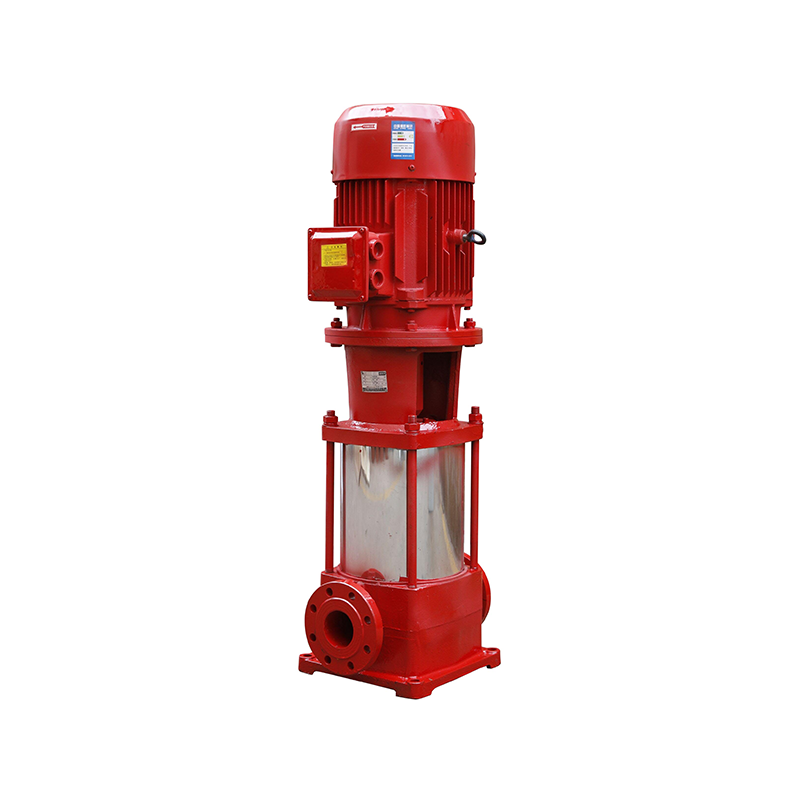
Jockey pumps are widely utilized in both residential and commercial settings. Their primary role is to maintain the pressure within fire protection systems, ensuring that sprinkler systems are always ready for immediate use. In homes, these pumps are often installed in conjunction with fire sprinkler systems to prevent pressure drops that could lead to false alarms.
In commercial buildings, jockey pumps are essential for larger fire protection systems, where even minor fluctuations in pressure can trigger unnecessary sprinkler activation. By keeping the system pressurized, they help ensure that water is available instantly when needed.
● Residential Fire Sprinkler Systems: Ensures immediate readiness and prevents false alarms.
● Commercial Buildings: Maintains pressure in larger fire protection systems, enhancing safety.
Booster pumps are typically employed in scenarios requiring increased water pressure, especially in high-rise buildings and industrial applications. In tall structures, water pressure naturally decreases as it rises, making booster pumps essential for delivering adequate water flow to upper floors.
These pumps are also commonly found in industrial settings, where large volumes of water are needed for fire suppression systems. In residential applications, booster pumps are used in larger homes or complexes that have extensive fire sprinkler systems, ensuring that every area receives sufficient water pressure during emergencies.
Application Type | Description |
High-Rise Buildings | Ensures adequate pressure for firefighting on upper floors. |
Industrial Facilities | Supports large-scale fire suppression systems requiring high flow rates. |
Residential Complexes | Boosts water pressure for extensive sprinkler systems. |
In all these applications, booster pumps ensure that fire protection systems operate effectively. They provide the necessary pressure during emergencies, allowing for reliable water delivery when it counts the most.
By understanding where jockey and booster pumps are used, we can appreciate their vital roles in maintaining safety across various environments.
Selecting the right pump for your fire protection system is critical. Several factors should be considered to ensure optimal performance and safety. First, you need to assess the system requirements and specifications. This includes understanding the type of fire protection system in place and the specific needs it has.
Next, consider the flow rate and pressure needs. Each application has unique demands, and knowing the required flow rate helps in choosing a pump that can deliver the necessary pressure during emergencies. An inadequate pump can lead to insufficient water supply, jeopardizing safety.
● System Requirements: Evaluate the specific needs of your fire protection system.
● Flow Rate: Determine the required flow rate to ensure effective firefighting.
● Pressure Needs: Assess the pressure levels necessary for your application.
Consulting with experts is essential for tailored solutions. Professionals can provide insights into the best options available, ensuring you select a pump that meets your specific requirements.
When it comes to choosing jockey and booster pumps, expert guidance can make a significant difference. Here are some tips for consulting with professionals:
1. Discuss Your Needs: Clearly outline your fire protection system's requirements and concerns.
2. Ask About Options: Inquire about various pump models and their suitability for your application.
3. Installation and Maintenance: Emphasize the importance of proper installation and regular maintenance to ensure long-term performance.
Expert Tip | Description |
Consult Professionals | Get tailored advice based on your specific needs. |
Proper Installation | Ensure pumps are installed correctly to maximize efficiency. |
Regular Maintenance | Schedule routine checks to maintain optimal performance. |
Additionally, companies like Purity Pump offer customization options and expert guidance. They can help you select the right pump and ensure it is installed correctly. Their expertise allows for tailored solutions that meet your unique fire protection needs.
By considering these factors and seeking expert advice, you can ensure that you choose the right jockey or booster pump for your fire protection system. This decision is vital for maintaining safety and efficiency in emergency situations.
This article highlights the key differences between jockey pumps and booster pumps. Jockey pumps maintain pressure in fire protection systems, while booster pumps provide necessary pressure during emergencies. Both pumps play integral roles in ensuring effective fire safety. It is crucial to assess your fire protection needs based on specific applications. For tailored solutions, consider products from Diequan, which offer unique advantages in reliability and performance. Their expertise ensures optimal fire safety for various environments.
A: A Jockey Pump is a small pump used to maintain pressure in fire protection systems, ensuring they are always ready for use.
A: The main difference is that a Jockey Pump maintains pressure during idle times, while a booster pump activates during emergencies to increase water pressure.
A: A Jockey Pump helps prevent pressure drops in fire systems, ensuring reliable operation and reducing the risk of false alarms.
A: Using a Jockey Pump ensures consistent pressure, enhances system reliability, and supports effective fire protection.
A: Consider your specific fire protection needs, including flow rate and pressure requirements, to determine if a Jockey Pump or booster pump is more suitable.


