
close
Choose Your Site
Global
Social Media


Views: 0 Author: Site Editor Publish Time: 2025-11-28 Origin: Site


Fire pumps are critical in protecting lives and property. Without them, fire suppression systems may fail when they are needed most. But what exactly does a fire pump do?
In this article, we will explore the vital functions of a fire pump, its types, components, and how it helps in emergencies. You will learn why fire pumps are necessary for reliable fire protection systems. Companies like Shanghai Diequan Water Pump (Group) Co., Ltd. offer high-quality fire pump solutions, ensuring safety and reliable performance in both industrial and commercial applications.
A fire pump is a mechanical device used to pump water through fire sprinkler systems, hydrants, and standpipes to ensure there is enough water pressure to fight fires. Unlike regular pumps, fire pumps are designed to meet the high demands of fire protection systems, providing water at high pressure and volume during emergencies.
A fire pump works by drawing water from a source, such as a water tank, and pushing it into the fire suppression system. The pump maintains a constant pressure to ensure that sprinklers or hoses can release water efficiently. The pump is often powered by electricity or a diesel engine, with a backup power system to ensure reliability during power outages.
Unlike regular pumps, which are used for everyday water transportation, fire pumps are built to handle extreme pressure and deliver large volumes of water quickly. They are also equipped with advanced safety features, such as automatic activation, to ensure they operate effectively during a fire emergency.
One of the main functions of a fire pump is to maintain water pressure in fire sprinkler systems. Sprinklers need a certain level of pressure to discharge water effectively. Fire pumps ensure that the pressure is maintained even in high-rise buildings or areas with low water pressure, providing a reliable supply during fires.
In high-rise buildings, gravity alone cannot deliver water to upper floors. Fire pumps are essential in these structures as they are designed to pump water to higher elevations, ensuring that firefighters and sprinkler systems have access to water even on the highest floors.
Fire pumps supply water to other fire extinguishing systems, such as fire hoses and standpipes. These systems are critical in quickly controlling fires, and a fire pump ensures that water is available in the right quantity and pressure to suppress flames.
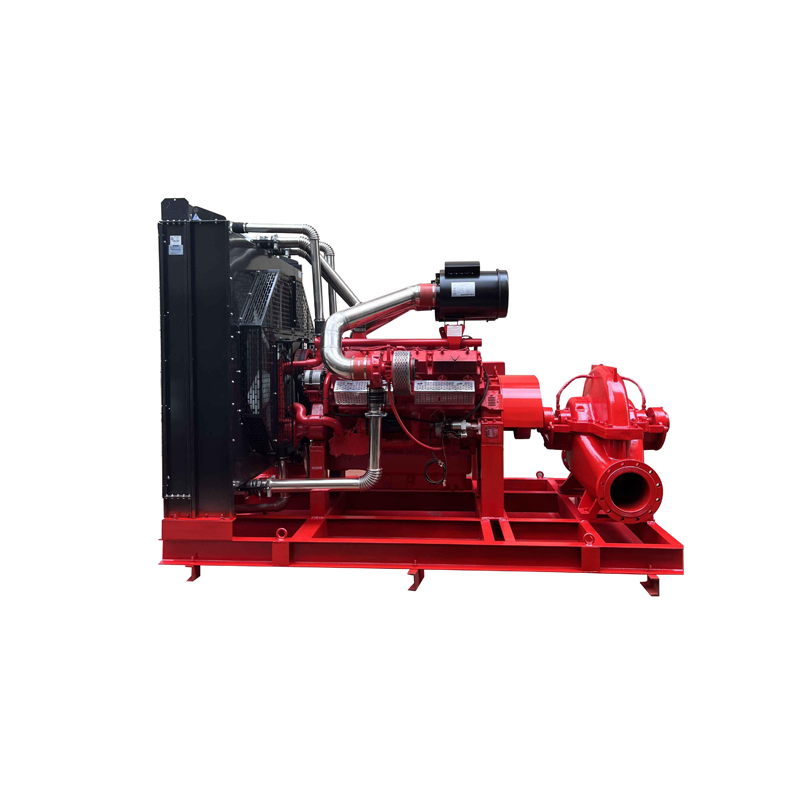
Horizontal split case pumps are one of the most common types used in fire protection systems. These pumps are robust and reliable, providing high flow rates and pressure. They are typically used in commercial and industrial buildings, where large volumes of water are required for fire suppression.
Vertical turbine pumps are used in situations where water needs to be drawn from deep wells or reservoirs. These pumps are efficient in providing high pressure for large-scale fire protection systems, particularly in industrial facilities or large buildings.
End suction pumps are compact and efficient, commonly used in smaller buildings or systems where space is limited. They are ideal for situations where the water supply is relatively close to the building, and the required flow rates are moderate.
Fire Pump Type | Typical Applications | Features |
Horizontal Split Case | Commercial & Industrial buildings | High flow rates, reliable for large volumes |
Vertical Turbine Pumps | Deep wells, reservoirs, large facilities | Efficient for high-pressure needs |
End Suction Fire Pumps | Smaller buildings, space-limited areas | Compact, ideal for moderate flow rates |
A typical fire pump system consists of several components:
● The pump: The core of the system, which moves water.
● The motor: Powers the pump, often with an electric or diesel engine.
● The controller: Manages the operation of the pump, including automatic activation in case of a fire.
● The valves: Ensure that water flows only when needed and prevent backflow.
Designing an efficient fire pump system involves considering the building's size, the distance water must travel, and the required water pressure. A properly designed system ensures that water is delivered where it's needed most, without unnecessary energy consumption or system strain.
Fire pump systems are subject to strict regulations to ensure they meet fire safety standards. These include National Fire Protection Association (NFPA) codes and local building codes. Compliance with these regulations is essential for ensuring that fire pumps function properly during emergencies.
Installing a fire pump system involves several steps:
1. Planning: Assess the water source, building layout, and pressure requirements.
2. Choosing the Right Pump: Select a pump type based on the building’s needs.
3. Installing the Pump: Position the pump and connect it to the water source and distribution system.
4. Testing: Run the system to ensure it delivers the required pressure and flow.
Regular maintenance is crucial for ensuring that fire pumps operate when needed. Maintenance tasks include:
● Checking the pump and motor for wear and tear.
● Inspecting the controller and valves.
● Testing the pump's performance under load conditions.
Common fire pump issues include low water pressure, power failure, and mechanical malfunctions. Identifying and addressing these issues promptly ensures that the pump is ready for use during a fire emergency.
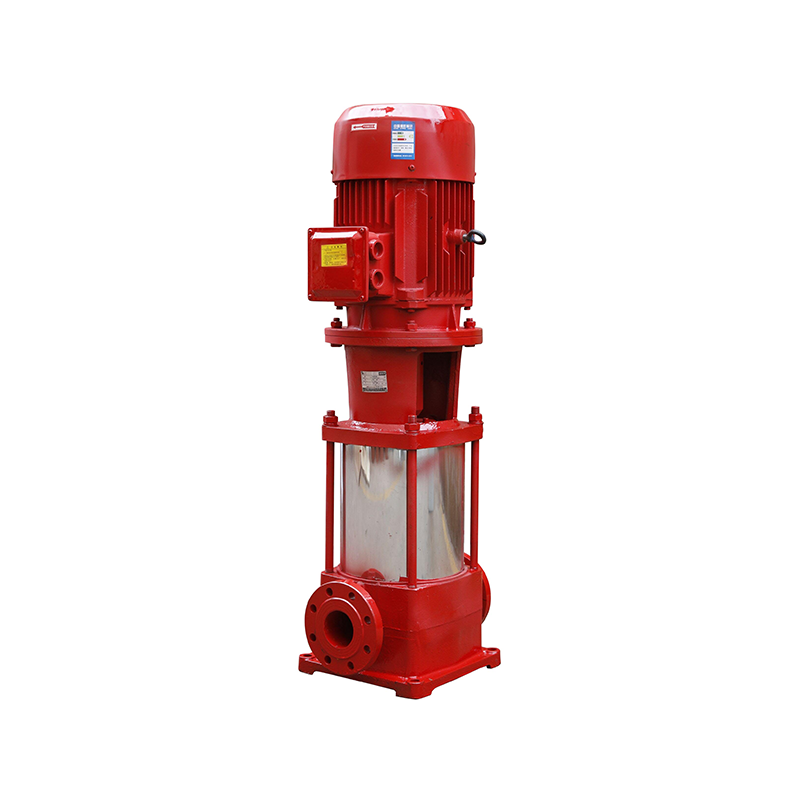
Fire pumps are often required by law in certain buildings, especially those with large occupancies, high-rise structures, or hazardous materials. These buildings are more vulnerable to fire due to the complexity of their layout, height, or the presence of flammable substances. Fire pumps are vital in ensuring that water is delivered at the right pressure and volume to fight fires effectively in such environments. Local building codes, fire safety regulations, and national standards, such as those set by the National Fire Protection Association (NFPA), often mandate the installation of fire pumps to comply with fire protection laws.
Ensuring that fire pumps are installed and maintained correctly is essential for meeting these legal requirements. Properly maintained fire pump systems guarantee that fire protection equipment will function as intended when it is most needed, minimizing the risks to human life, property, and business operations. Compliance with these safety regulations not only ensures legal adherence but also enhances overall safety for both building occupants and emergency responders.
In industrial and commercial settings, fire pumps provide a reliable water supply for fire suppression, helping to protect valuable assets and maintain business continuity. Industrial facilities often house expensive machinery, raw materials, or chemicals that are highly susceptible to fire damage. By ensuring a consistent and dependable water supply, fire pumps minimize the potential for significant losses caused by fire incidents.
Fire pumps are also critical for reducing downtime in business operations. In the event of a fire, time is of the essence, and a well-functioning fire pump can immediately provide the necessary pressure and flow to contain the fire, allowing business activities to resume more quickly after the event. Additionally, these pumps help protect the reputation of businesses by reducing the damage caused to inventory and infrastructure, which can have long-lasting financial and operational impacts.
The ability of fire pumps to quickly provide water in emergencies is crucial for preventing large-scale damage, especially in industries where fire can escalate rapidly. In facilities like warehouses, factories, and even data centers, having a fire pump in place ensures that fires are quickly controlled before they spread, protecting both human life and capital.
Fire pumps play a vital role in saving lives and protecting property by ensuring that water is available during a fire emergency. In any fire situation, having access to water with the appropriate pressure and volume is crucial for suppressing flames effectively and preventing further damage. Without an operational fire pump, the fire suppression system would fail to provide the necessary firefighting resources, potentially leading to catastrophic outcomes.
By providing a continuous supply of water during a fire, fire pumps help control and extinguish flames, facilitating safer evacuations and minimizing injury or loss of life. In high-rise buildings, where evacuation can be complicated and time-consuming, fire pumps ensure that water reaches the upper floors of the building, enabling the use of sprinklers, hoses, and standpipes to keep the fire contained while people evacuate.
Moreover, fire pumps limit the extent of property damage. With a reliable fire pump, firefighters can quickly access a powerful water supply, allowing them to put out the fire before it spreads to other parts of the building or adjacent properties. This not only saves property but also reduces repair and reconstruction costs, which can be financially devastating to both individuals and businesses.
In summary, fire pumps are crucial for safeguarding both lives and property during emergencies. They enable effective fire suppression, ensuring that water is delivered quickly and efficiently to stop the spread of flames. Through proper installation and regular maintenance, fire pumps continue to serve as a reliable line of defense against fire hazards, providing peace of mind in critical situations.
Fire pumps are essential in fire protection systems, ensuring that water flows at the right pressure during emergencies. Understanding their function, types, and maintenance is crucial for a reliable fire protection system. Proper installation and regular maintenance ensure effective fire suppression.
For companies like Shanghai Diequan Water Pump (Group) Co., Ltd., their high-quality fire pump solutions provide reliable and efficient performance. These products are designed to meet the highest standards, ensuring safety and protection for various industries.
Tip: Regularly inspect and maintain fire pump systems to ensure they function properly during emergencies, preventing delays in fire suppression due to equipment failure.
A: A fire pump is a mechanical device designed to deliver water to fire suppression systems, ensuring that the correct pressure and flow are maintained during a fire emergency.
A: A fire pump draws water from a source and pumps it through fire sprinklers, hoses, or standpipes to provide effective fire suppression. It maintains constant pressure to ensure optimal performance.
A: Fire pumps are crucial in large buildings, as they ensure sufficient water pressure to fight fires, especially in high-rise structures where gravity alone cannot provide the necessary flow.
A: Common types of fire pumps include horizontal split case pumps, vertical turbine pumps, and end suction fire pumps, each designed for specific applications and system requirements.


