
close
Choose Your Site
Global
Social Media


Views: 0 Author: Site Editor Publish Time: 2025-11-28 Origin: Site


Imagine a world without efficient fluid movement – industries would come to a halt.Centrifugal pumps are the unsung heroes behind the smooth operation of many essential systems. Whether it's in a chemical plant, water treatment facility, or irrigation system, these pumps are crucial for transporting liquids over long distances. They work by converting mechanical energy into kinetic energy, ensuring that fluids flow seamlessly through pipes and systems.In this article, we’ll take a deep dive into the mechanics of centrifugal pumps, explore their key components, and discuss the wide range of applications they serve. By understanding their benefits and limitations, you’ll be equipped to choose the right pump for your specific needs.
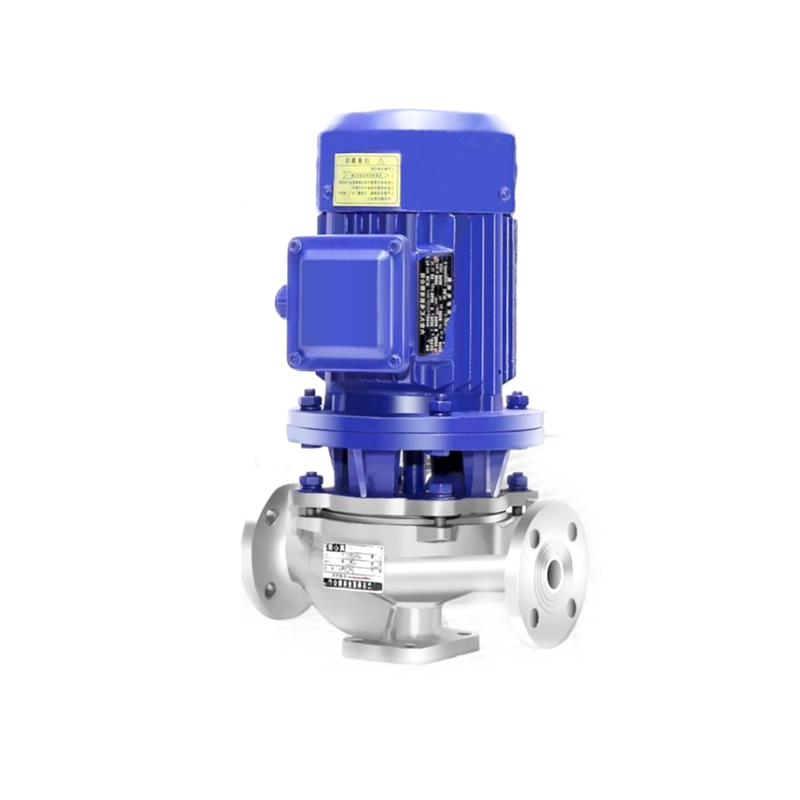
A centrifugal pump is a mechanical device that uses rotational energy to transfer liquids. The energy is provided by a motor, which drives an impeller, creating a centrifugal force that pushes fluid outwards. The basic working principle revolves around converting the mechanical energy from the motor into kinetic energy, which increases the velocity of the liquid. This process allows the fluid to flow into the pump casing and through the discharge pipe.
Fluid enters the pump through the suction port and is accelerated by the rotating impeller. The impeller’s vanes push the liquid outwards, creating a low-pressure area at the center. This low-pressure zone allows more fluid to enter, maintaining continuous movement. As the fluid moves through the casing, its velocity increases, and it exits the pump under higher pressure. The entire process involves the conversion of mechanical energy into kinetic energy, which is then transformed into pressure energy to move the liquid efficiently.
Centrifugal pumps come in various types, each suited for different applications. Key types include:
Pump Type | Description | Best Use | Key Feature |
Radial-flow pumps | Designed for high-pressure applications. | Used in industries requiring significant head pressure. | High-pressure handling, efficient in demanding applications. |
Axial-flow pumps | Designed for high-flow, low-pressure applications. | Ideal for moving large volumes of fluid over short distances. | High flow rate, low-pressure, suitable for large-scale fluid transfer. |
Mixed-flow pumps | A combination of radial and axial designs. | Versatile for both high flow rates and moderate pressures. | Handles both high flow and moderate pressure efficiently. |
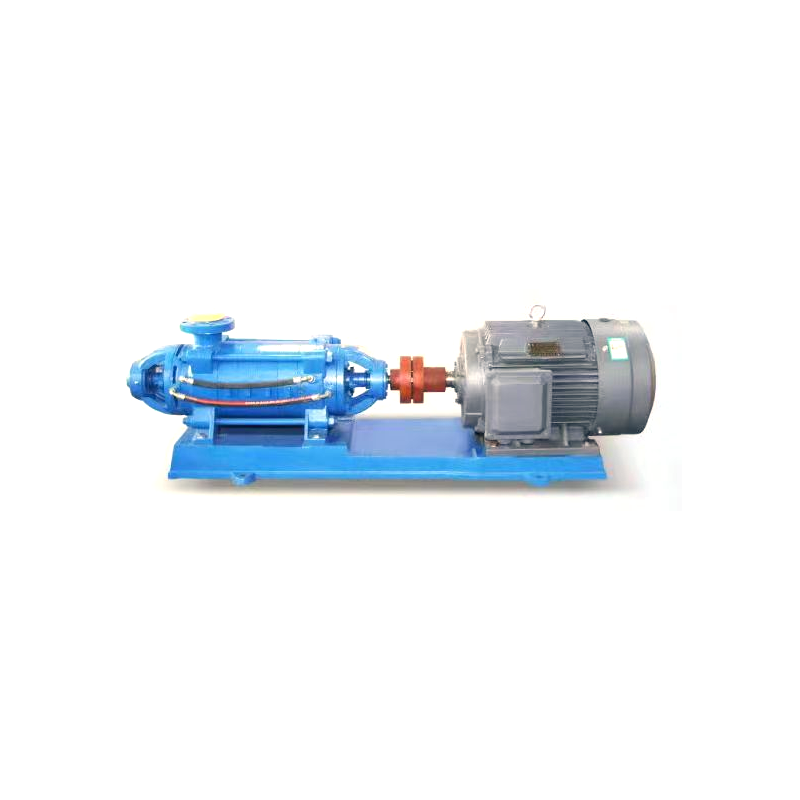
The impeller is the core component of a centrifugal pump. It consists of a series of blades that rotate at high speed, transferring energy to the fluid. The design of the impeller affects the pump’s efficiency and performance. For example, an enclosed impeller is used for clean liquids, while an open impeller is preferred for fluids containing solids. Impellers can vary in shape, with curved or straight blades depending on the type of pump and its intended use.
The centrifugal force generated by the impeller pushes the liquid outward, which increases both the fluid's velocity and pressure. The fluid gains momentum as it exits the impeller, and its pressure increases when it moves through the casing. The pressure is then further increased through either a volute casing or diffuser design, which directs the fluid towards the discharge port.
Key components of a centrifugal pump include:
Component | Description | Role in Pump Operation |
Impeller | Rotating blades that transfer energy to the fluid. | Provides the centrifugal force needed to move the fluid. |
Casing | Houses the impeller and guides the fluid flow. | Directs the fluid towards the discharge port and maintains pressure. |
Suction and Discharge Ports | Entry and exit points for the fluid. | Allow fluid to enter and exit the pump efficiently. |
Shaft and Bearings | Transmit power from the motor to the impeller. | Provide rotational movement for the impeller to move the fluid. |
Seals | Prevent leaks and ensure the pump operates properly. | Ensure that the pump remains sealed, maintaining efficiency and preventing fluid leakage. |
Each of these components plays a vital role in ensuring the pump operates efficiently and reliably.
Centrifugal pumps are widely used in industrial settings. They are essential in the chemical processing industry, where they move liquids such as acids, oils, and solvents. In oil and gas production, centrifugal pumps transport crude oil and natural gas. In power generation, they are used for cooling systems and fluid transfer. These pumps provide a reliable solution for handling a wide range of fluids under varying conditions.
In residential and commercial settings, centrifugal pumps are used for water supply systems, HVAC systems, and waste disposal. For example, centrifugal pumps are used to boost water pressure, providing efficient water flow from municipal sources or wells to homes and businesses. In HVAC systems, these pumps circulate water or refrigerants to regulate temperature in buildings.
In agriculture, centrifugal pumps are indispensable for irrigation systems. They efficiently transport water from wells or rivers to fields, ensuring crops receive adequate hydration. These pumps are also used in livestock farming to provide water to animals in remote areas.
Centrifugal pumps offer several benefits:
High Efficiency: They can move large volumes of fluid quickly and effectively.
Low Maintenance: Their simple design makes them easy to maintain.
Versatility: They can handle a wide range of fluids, including corrosive, hot, or contaminated liquids.
However, centrifugal pumps have some limitations:
Cavitation: This occurs when there is insufficient pressure in the pump, causing air bubbles to form and damage the impeller.
Efficiency Drops with Viscous Fluids: High-viscosity fluids can reduce the pump’s performance.
Need for Priming: Unlike positive displacement pumps, centrifugal pumps need to be primed with fluid before they can begin pumping.
Centrifugal pumps are not suitable for applications that require accurate dosing or handling gases. They are also inefficient when pumping highly viscous liquids or slurries, where positive displacement pumps are a better choice.
When selecting a centrifugal pump, it’s crucial to consider factors such as flow rate, pressure, and liquid properties. The pump’s performance depends on the specific requirements of the application, such as the distance the liquid needs to travel, the liquid’s viscosity, and the required pressure.
Choosing the right pump size is essential for optimizing efficiency. Pumps that are too large or too small can cause energy wastage or system inefficiencies. It's important to match the pump size with the system’s capacity and flow requirements.
The pump’s materials should be compatible with the fluid being pumped. For example, stainless steel pumps are ideal for corrosive fluids, while bronze may be more suitable for food processing applications. Ensuring durability is key to reducing downtime and increasing the lifespan of the pump.
Regular maintenance tasks include inspecting seals, lubricating bearings, and cleaning the impeller and casing. Periodic checks of the pump’s performance metrics, such as flow rate and pressure, are crucial for identifying any issues before they lead to failure.
Common problems include:
Cavitation: Caused by low suction pressure or air entering the pump.
Seal Leaks: Often caused by wear or improper installation.
Vibration: Can be caused by misalignment or imbalance in the pump components.
Proper care can significantly extend the lifespan of a centrifugal pump. Regularly checking for clogs, performing lubrication, and ensuring proper alignment of the pump components can prevent unnecessary wear and tear.
Recent advancements focus on increasing the energy efficiency of centrifugal pumps. The use of advanced materials and coatings has improved pump durability and reduced wear and tear in high-pressure or abrasive fluid applications.
Centrifugal pumps are increasingly being integrated with IoT sensors to monitor performance in real-time. These technologies help identify issues before they escalate, allowing for data-driven maintenance and operational optimization.
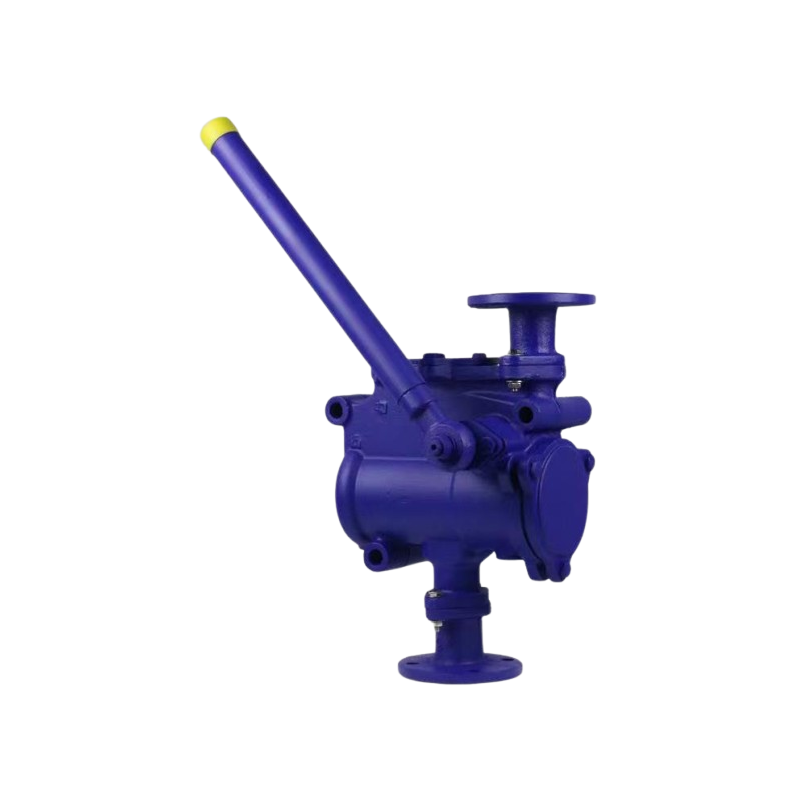
Centrifugal pumps are vital to many industries, from chemical processing to agriculture. They provide efficient fluid movement and can be tailored for various applications. Understanding the key components and how they work helps ensure the right pump is selected for your specific needs. Shanghai Diequan Water Pump (Group) Co., Ltd.offers a wide range of centrifugal pumps designed to deliver high performance and reliability in any setting.
A: Centrifugal pumps use an impeller to accelerate fluid, converting mechanical energy into kinetic energy. The fluid exits the impeller with increased velocity, creating pressure to move the liquid through a discharge pipe.
A: Centrifugal pumps are used to move liquids efficiently in various industries, such as chemical processing, water treatment, and agriculture. They are essential for transferring fluids over long distances or through systems with varying pressures.
A: Choose a centrifugal pump based on the required flow rate, pressure, and liquid properties. Consider factors like viscosity, distance, and system size to select the most suitable pump for your application.
A: Common problems include cavitation, seal leaks, and vibration. Regular maintenance and monitoring can help address these issues and ensure optimal performance.

