

close
Choose Your Site
Global
Social Media


Views: 0 Author: Site Editor Publish Time: 2026-04-10 Origin: Site


Centrifugal pumps are vital components in fluid handling systems, playing a critical role in moving liquids and slurries efficiently across a wide range of industries. Powered by centrifugal force, these pumps are integral to systems that require consistent, high-performance fluid transfer, from municipal water supply networks to complex chemical manufacturing processes. Their ability to provide reliable and cost-effective solutions has made them a cornerstone in industries such as agriculture, wastewater treatment, and HVAC systems.
In this article, we will delve into the working principle behind centrifugal pumps, explore their key applications, and highlight the numerous advantages that make them the preferred choice in fluid management. Additionally, we will examine essential maintenance practices that ensure optimal pump performance and longevity. As the demand for energy-efficient, sustainable solutions grows, centrifugal pumps are evolving with technological advancements, securing their position as the heart of modern fluid handling systems.
Centrifugal pumps are mechanical devices designed to transfer fluids using centrifugal force. When the pump’s impeller rotates, it adds energy to the fluid, converting mechanical energy into kinetic energy. This high-energy fluid is then directed into the pump casing, where it’s converted into pressure energy.
The basic components of a centrifugal pump include:
Impeller: The rotating component that adds energy to the fluid.
Volute: The casing that captures the energy from the fluid and converts it into pressure.
Suction and Discharge Nozzle: The points where the fluid enters and exits the pump.
Bearing and Shaft: Support components that ensure smooth rotation.
Centrifugal pumps come in various designs, each suited for specific applications:
Single-Stage Pumps: These pumps have one impeller and are used for low to medium flow and pressure.
Multi-Stage Pumps: With multiple impellers, these pumps are designed for high pressure and can handle large fluid volumes.
Horizontal Pumps: Typically used in industrial applications where horizontal space is available.
Vertical Pumps: Ideal for applications with limited floor space or where fluid needs to be lifted vertically.
Type | Application | Features |
Single-Stage Pump | Low to medium pressure applications | Compact, simple design, low maintenance |
Multi-Stage Pump | High pressure, large flow applications | High efficiency, adaptable to varying needs |
Horizontal Pump | Industrial use, space availability | Suitable for large systems, easy installation |
Vertical Pump | Space-limited applications | Ideal for deep-well or confined spaces |
Centrifugal pumps are used in a wide range of industries, from municipal water systems to agriculture. Let’s explore some of the key applications:
Centrifugal pumps play a crucial role in water treatment plants, where they are used to pump raw water, transfer treated water, and handle sludge. In wastewater treatment facilities, they help in transferring sewage and effluent from one stage of treatment to the next.
Heating, Ventilation, and Air Conditioning (HVAC) systems depend on centrifugal pumps for the circulation of heating and cooling fluids throughout the system. These pumps ensure that chilled water or hot water flows efficiently across large buildings, maintaining a comfortable indoor environment.
In chemical, pharmaceutical, and manufacturing industries, centrifugal pumps are used to transfer various fluids, including water, chemicals, and oils, within processing lines. Their versatility allows them to handle both clean and contaminated fluids effectively.
Centrifugal pumps are also integral to agricultural systems, particularly in irrigation. These pumps efficiently transport water from reservoirs or wells to irrigation systems, ensuring crops receive the necessary water for growth.
Industry | Application | Pump Type | Benefits |
Water Treatment | Transferring water and wastewater | Multi-stage, Vertical | Efficient fluid handling, reliable |
HVAC Systems | Circulating heating and cooling fluids | Horizontal, Single-stage | Stable flow, cost-effective |
Industrial Processes | Fluid transfer in chemical and pharmaceutical sectors | Horizontal, Multi-stage | Versatility, able to handle various fluids |
Agriculture | Irrigation and drainage systems | Vertical, Single-stage | High flow rate, energy-efficient |
Centrifugal pumps offer numerous advantages, making them the preferred choice for fluid handling systems worldwide.
Centrifugal pumps are known for their high efficiency, particularly in applications where steady and consistent flow is required. The simplicity of their design means they can handle high volumes of fluid with minimal energy loss. Additionally, these pumps can be engineered to meet the demands of various pressure and flow requirements, making them highly adaptable.
Compared to other types of pumps, centrifugal pumps are relatively low-maintenance. They have fewer moving parts, which translates into fewer opportunities for mechanical failure. With the right materials and regular upkeep, these pumps can last for years, offering cost-effective fluid handling for both small and large systems.
Centrifugal pumps can be used for a variety of fluid types, from clean water to abrasive or corrosive fluids, making them versatile across industries. They are also capable of handling a broad range of flow rates and pressures, which allows them to be used in different applications.
Advantage | Benefit | Example Application |
High Efficiency | Lower energy consumption, stable flow | Water treatment, HVAC systems |
Low Maintenance | Fewer mechanical issues, longer lifespan | Chemical processing, agriculture |
Versatility | Handles various fluids and conditions | Industrial manufacturing, wastewater treatment |
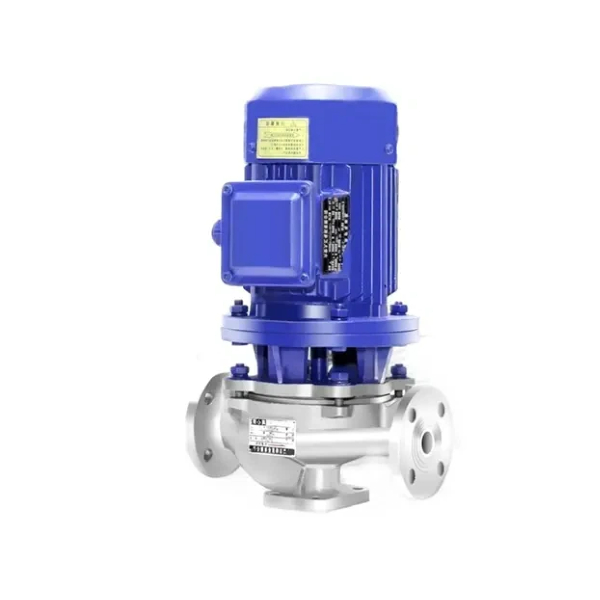
Choosing the right centrifugal pump involves considering several critical factors. Each pump design is best suited for specific applications, and selecting the wrong type can lead to inefficiency or failure.
When choosing a centrifugal pump, it’s essential to consider:
Flow rate: The volume of fluid the pump must move per unit of time.
Pressure requirements: The pump must be able to generate the necessary pressure for the system.
Fluid type: Whether the fluid is clean water, sludge, chemicals, or slurry.
Temperature: Some pumps are designed to handle higher temperatures than others.
Several factors impact the performance of centrifugal pumps:
Impeller Design: The number of vanes and the geometry of the impeller influence how efficiently the pump operates.
Material Selection: The pump materials must be compatible with the fluid to avoid corrosion or wear.
System Design: The layout of pipes, the pump’s position relative to the fluid source, and the desired flow direction will all affect pump performance.
Factor | Impact | Example |
Impeller Design | Affects efficiency and flow stability | Closed impeller for high efficiency |
Material Selection | Influences longevity and fluid compatibility | Stainless steel for corrosive fluids |
System Design | Affects operational efficiency | Proper pipe size ensures optimal flow |
Centrifugal pumps require regular maintenance to ensure optimal performance and extend their lifespan. Preventative measures help avoid costly repairs and system downtime.
Routine inspections should be scheduled to check for signs of wear and tear. Key maintenance steps include:
Checking for leaks: Ensure seals are intact and prevent fluid leaks.
Monitoring vibration levels: Unusual vibrations can indicate misalignment or imbalance.
Checking the bearings: Proper lubrication and alignment are essential to prevent bearing failure.
Lubrication: Ensure bearings are properly lubricated to reduce friction.
Shaft Alignment: Misaligned shafts can lead to excessive wear and premature failure.
Replacing worn parts: Regularly replace seals, gaskets, and bearings as needed.
Cavitation: This occurs when the pump’s pressure drops below the vapor pressure of the fluid, causing air bubbles. To avoid this, ensure proper suction and flow conditions.
Seal Failures: Leaks from worn seals can affect pump performance. Regularly replace seals to avoid this issue.
Maintenance Task | Purpose | Frequency |
Lubrication | Reduces friction and wear | Every 3-6 months |
Shaft Alignment | Prevents excessive wear and vibration | Annually |
Seal Replacement | Prevents leaks and ensures efficiency | Every 6-12 months |
The centrifugal pump industry is seeing rapid advancements, particularly in digital control systems. Modern pumps now come with smart sensors and automation, allowing for real-time monitoring and predictive maintenance. These technologies enhance pump performance and provide valuable data for optimizing system efficiency.
As industries focus on reducing their carbon footprint, centrifugal pumps are evolving to meet sustainability goals. Manufacturers are increasingly using energy-efficient motors and eco-friendly materials to minimize the environmental impact of pump systems.
Centrifugal pumps are the backbone of numerous fluid handling systems, offering efficiency, reliability, and cost-effectiveness across various industries. Whether in water treatment, agriculture, or industrial processes, these pumps ensure the smooth and continuous flow of fluids, which is essential for system operations. As technological advancements continue, centrifugal pumps are becoming even more energy-efficient, smarter, and environmentally friendly, ensuring their vital role in fluid management for the future.
At Shanghai Diequan Water Pump (Group) Co., Ltd., we are at the forefront of this evolution, providing high-quality centrifugal pumps tailored to meet the diverse needs of our clients. With years of expertise in manufacturing and a commitment to innovation, we offer solutions that guarantee optimal performance, efficiency, and longevity. If you're looking for reliable centrifugal pumps or expert advice on your fluid handling systems, we invite you to reach out to us. Our team is ready to assist you in selecting the best solutions for your specific needs, ensuring your systems operate smoothly and efficiently.
1. What is the primary function of a centrifugal pump?
Centrifugal pumps use centrifugal force to move fluids through a system, converting mechanical energy into kinetic and then pressure energy to facilitate fluid flow.
2. What factors should be considered when selecting a centrifugal pump?
Key factors include flow rate, pressure requirements, fluid type, and temperature. It’s essential to choose a pump that matches the specific needs of your system.
3. How do centrifugal pumps work?
They operate by rotating an impeller that imparts energy to the fluid, causing it to flow through the pump and creating the necessary pressure to move it through the system.
4. What are the benefits of using centrifugal pumps over other types of pumps?
Centrifugal pumps are more energy-efficient, require less maintenance, and are capable of handling a wide range of fluids, making them ideal for many industries.
5. How can I maintain a centrifugal pump properly?
Regular maintenance involves inspecting the pump for leaks, monitoring vibrations, lubricating bearings, and ensuring proper shaft alignment.
6. Can centrifugal pumps be used for all types of fluids?
Yes, centrifugal pumps are versatile and can handle a wide variety of fluids, including clean water, chemicals, and slurries, depending on the materials used and pump design.


