
close
Choose Your Site
Global
Social Media


Views: 0 Author: Site Editor Publish Time: 2025-11-28 Origin: Site


Have you ever wondered how wastewater is effectively moved from one place to another? A sewage pump plays a crucial role in this process, ensuring that wastewater is transported efficiently and safely. Whether in residential homes, commercial establishments, or industrial settings, sewage pumps are vital for preventing costly plumbing issues and maintaining proper sanitation. These pumps help manage wastewater by overcoming gravity's limitations, especially when plumbing systems are located below the main sewer line. In this article, we will explore the key functions of a sewage pump, its components, types, and guide you on choosing the right one for your needs.
A sewage pump is a mechanical device used to move wastewater, including both liquids and solids, from one location to another. Typically, it’s used when plumbing systems are below the main sewer line or septic system. The pump ensures waste is moved uphill or over long distances, preventing backups and flooding.In essence, sewage pumps act as intermediaries, ensuring wastewater travels from basements, bathrooms, or other lower-level fixtures to the main sewer or septic system. This is crucial in homes or businesses located below ground level, where gravity alone can't move waste efficiently.
Sewage pumps are crucial because they overcome gravity's limitations, allowing wastewater to be pumped uphill when necessary. They ensure wastewater is transported safely to treatment or disposal systems, maintaining hygiene and preventing health hazards.Without a functional sewage pump, waste may accumulate, leading to backups, flooding, and possible contamination of indoor spaces. A sewage pump helps maintain the flow of water, minimize clogs, and ensure proper sanitation.
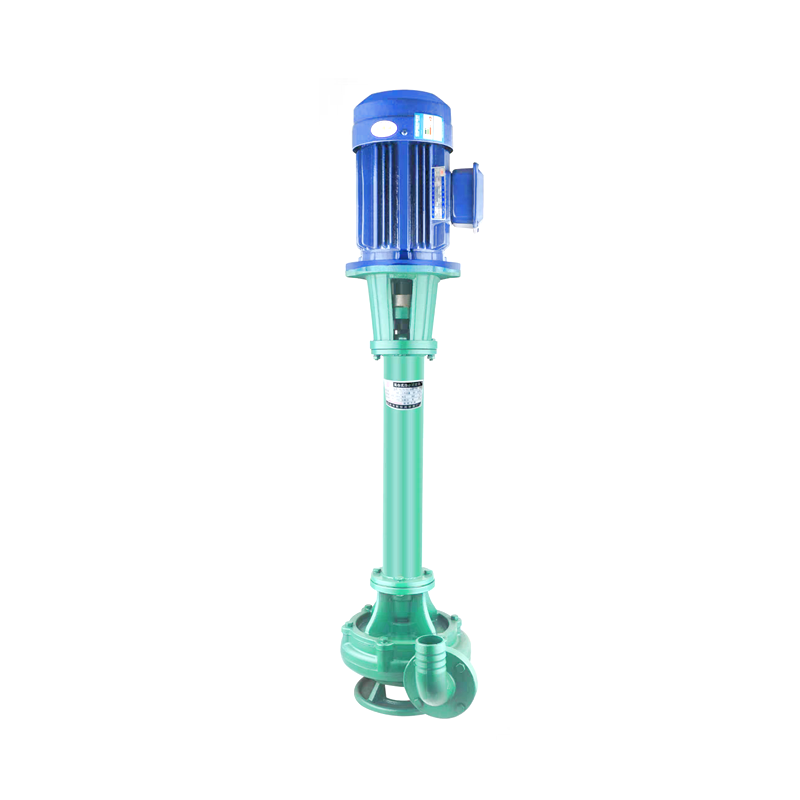
The impeller is the heart of the sewage pump, responsible for generating the force required to move sewage. Powered by an electric motor, the impeller spins rapidly, creating centrifugal force that pushes waste through the pump's discharge pipe toward the main sewer line.This centrifugal motion allows both solids and liquids to be moved effectively without clogging the pump. The impeller's design is critical for maintaining smooth and efficient operation, especially in areas where large particles or fibrous materials are present.
A sewage pump operates within a sealed basin that collects wastewater from fixtures such as toilets, sinks, or showers. Once the water level reaches a certain point, the float switch activates the pump, pushing the wastewater into the sewer or septic system.The sealed basin also helps control odors, ensuring the waste remains contained and sanitary—particularly important in areas like basements where the pump is often located.
Submersible sewage pumps are fully submerged in wastewater and commonly used in residential and commercial settings, particularly in basements or lower-level areas. These pumps are quieter and more efficient, making them ideal for residential use. They handle a wide range of waste types, including solid waste.
Grinder and chopper pumps are designed for heavy-duty applications. They feature blades or grinders to break down large solids into smaller particles, preventing blockages. These pumps are ideal for industrial or commercial environments where high volumes of waste need to be processed.
Vortex and channel impeller pumps are designed to prevent clogging by larger debris. They use a vortex or channel impeller to move water and waste, making them especially effective for fibrous materials. These pumps are suitable for both residential and industrial use.
Pump Type | Description | Best Use | Key Feature |
Submersible Sewage Pump | Fully submerged, quieter operation | Residential basements, commercial areas | Quiet, durable, handles solid waste |
Grinder Sewage Pump | Equipped with grinding blades to break down large solids | Industrial settings, heavy-duty commercial areas | Shreds large solids, ideal for high-volume waste |
Chopper Sewage Pump | Handles fibrous materials | Heavy industrial applications, fibrous waste environments | Cuts fibrous materials, handles challenging waste |
Vortex Sewage Pump | Uses a vortex to prevent clogging by larger debris | Industrial and residential, especially for fibrous waste | Clog-resistant, efficient in tough environments |
Channel Impeller Pump | Uses a channel impeller to move waste | General residential or commercial applications | Prevents clogging, efficient for solids |
In homes where plumbing is below the main sewer line, sewage pumps are essential for ensuring waste is moved properly to the sewer system. These pumps help prevent flooding and wastewater backups, especially in basements or lower-level spaces. They ensure that waste from sinks, showers, and toilets can be pumped upward to the main sewer line, even in homes with older plumbing systems.
Commercial and industrial facilities require sewage pumps to handle large volumes of wastewater generated by restrooms, kitchens, or manufacturing processes. These pumps need to be robust enough to handle larger solids, debris, and wastewater loads. Sewage pumps are essential in factories, restaurants, hospitals, and large-scale operations to maintain wastewater flow and prevent blockages.
When selecting a sewage pump, consider the type of waste it will handle. If your wastewater contains significant solids, a grinder or chopper pump may be required. For liquid-heavy waste, a centrifugal pump should suffice. Choosing the right pump ensures efficiency and minimizes clogging.
Pump capacity refers to the amount of sewage the pump can handle in a given time frame. Choose a pump with the appropriate flow rate to ensure wastewater is moved efficiently. Additionally, energy efficiency is vital for minimizing operational costs.
The lifespan of a sewage pump depends on its quality and operating environment. In commercial or industrial settings, pumps should be durable and capable of continuous operation. Regular maintenance, including checks for clogs and pump component servicing, will help ensure the pump operates efficiently.
Tip: When selecting a sewage pump, always consider your property's specific needs to choose the right pump for your waste type and system size.
Over time, sewage pumps may experience issues like dirty water backups, strange noises, or frequent cycling. These problems can indicate malfunctions in the float switch, impeller, or motor. Addressing these issues early prevents further damage and ensures continued pump efficiency.
Routine maintenance is crucial for extending the life of your sewage pump. Regularly check for clogs, ensure the float switch works properly, and clean the pump components as needed. Ongoing servicing ensures smooth operation year-round.
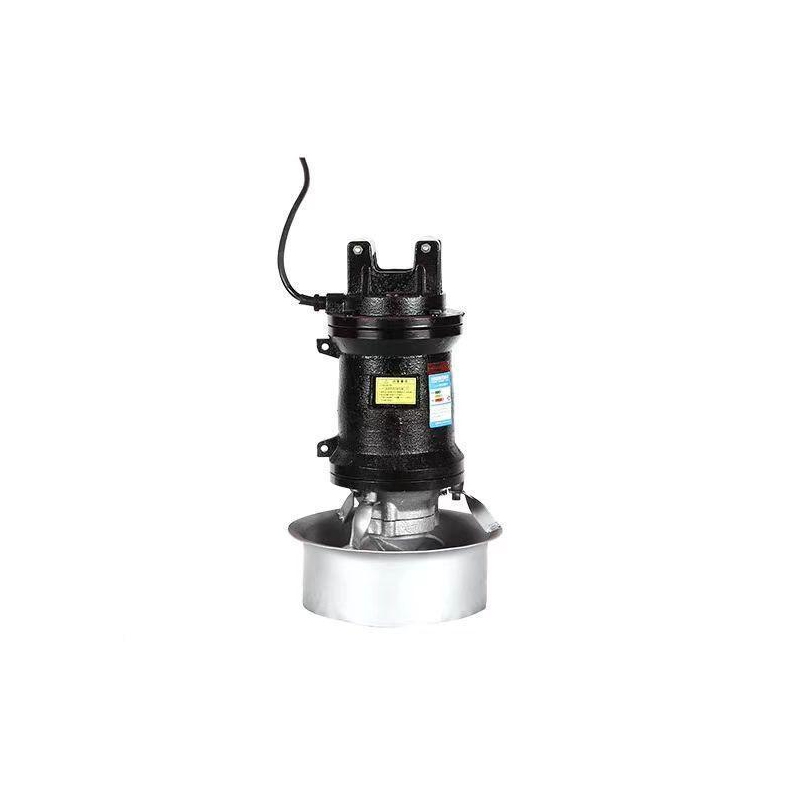
Sewage pumps are essential for managing wastewater in residential, commercial, and industrial settings. Understanding their function, types, and how to maintain them is crucial for long-term reliability and preventing costly repairs. Whether you’re managing a basement bathroom or an industrial wastewater system, selecting the right sewage pump is key to ensuring a safe and hygienic environment.
As a leader in the water pump industry, Shanghai Diequan Water Pump (Group) Co., Ltd. continues to provide reliable and efficient solutions for wastewater management. Their sewage pump offers innovative features, ensuring optimal performance and durability in various settings.
A: A sewage pump is used to move wastewater, including both solids and liquids, from one location to another. It is typically used when plumbing is below the level of the main sewer line, ensuring waste is transported uphill or over long distances to avoid backups and flooding.
A: A sewage pump works by using an electric motor to power an impeller, which moves wastewater through a discharge pipe to the main sewer or septic system. The pump helps prevent clogs and ensures proper waste flow.
A: Sewage pumps are essential for homes or businesses with plumbing below the main sewer line. They prevent waste backups, flooding, and sanitary issues, ensuring wastewater flows efficiently to the appropriate disposal systems.
A: Sewage pumps provide reliable wastewater management, prevent flooding, improve sanitation, and reduce maintenance costs. They also allow wastewater to be pumped uphill when gravity cannot handle the flow.
A: Regular maintenance includes checking for clogs, cleaning the pump components, and ensuring the float switch functions properly. Periodic servicing will help extend the life of the sewage pump and prevent malfunctions.


