
close
Choose Your Site
Global
Social Media


Chemical pumps are essential in many industries, including water treatment, manufacturing, and pharmaceuticals. These specialized pumps safely transfer chemicals, ensuring efficiency and precision. But what exactly are chemical pumps, and how do they work?
In this article, you'll learn about the types, applications, and key factors to consider when selecting a chemical pump. We'll also explore the benefits and challenges associated with these critical tools. Shanghai Diequan Water Pump (Group) Co., Ltd. is a leading brand offering high-performance chemical pumps, designed to meet the demanding needs of various industries.
Chemical pumps are mechanical devices designed to move chemicals safely and efficiently through pipelines or systems. They are engineered to handle the demanding properties of various liquids, especially those that are hazardous or corrosive. These pumps ensure that chemicals are transferred without spillages, leaks, or contamination, making them ideal for industries like pharmaceuticals, water treatment, and food production.
Chemical pumps work by creating a pressure differential, moving fluids through the system. The operation of these pumps varies based on the type. Centrifugal pumps use a rotating impeller, while positive displacement pumps use fixed-volume mechanisms. These pumps are designed for continuous, smooth operation, offering precision and reliability in high-risk environments.
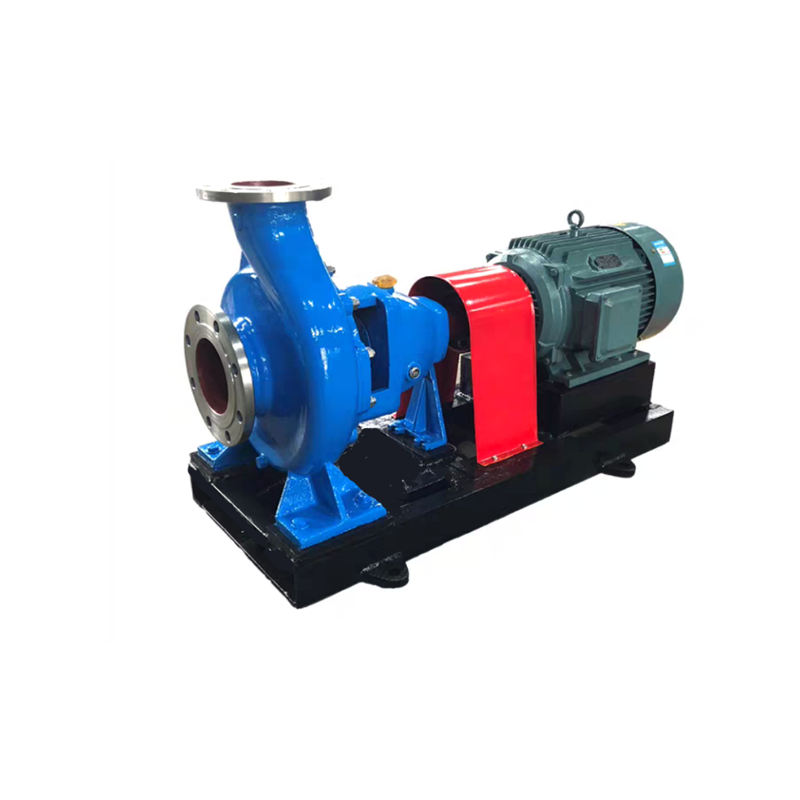
Centrifugal pumps are the most commonly used type for transferring chemicals. These pumps work by using a rotating impeller to move liquids, offering high efficiency for large-scale applications. They are well-suited for high-flow environments, such as water treatment plants and chemical manufacturing.
These pumps move a fixed volume of liquid with each cycle, making them ideal for applications requiring precise chemical transfer. Positive displacement pumps, such as diaphragm, piston, or gear pumps, are widely used in industries that need accurate dosage control, such as the pharmaceutical and food sectors.
Peristaltic pumps, also known as hose pumps, transfer chemicals by compressing a hose in a rotating motion. These pumps are highly beneficial in processes requiring sterile handling, such as in the food and beverage industry, as they prevent contamination by keeping the chemical only in contact with the inner part of the hose.
Magnetic drive pumps use magnetic fields to transfer energy to the impeller, offering a seal-less design that eliminates the risk of leaks. These pumps are particularly suitable for transferring hazardous or corrosive chemicals, as they ensure safety and environmental protection by preventing fluid leakage.
Type of Pump | Application | Key Feature |
Centrifugal Pumps | High-flow applications | Efficient for transferring large volumes |
Positive Displacement Pumps | Precise chemical transfer | Suitable for accurate fluid dosing |
Peristaltic Pumps | Sterile handling of chemicals | Prevents contamination by isolating fluid |
Magnetic Drive Pumps | Safe handling of hazardous chemicals | Seal-less design to prevent leaks |
In the pharmaceutical industry, chemical pumps are essential for the precise transfer of active ingredients, solvents, and other chemicals. Their ability to safely handle hazardous materials ensures the production of safe, high-quality medicines. Pumps designed with excellent corrosion resistance and precise control are particularly important in maintaining the integrity of pharmaceutical formulations.
Chemical pumps are used extensively in water treatment facilities to inject chemicals like chlorine or coagulants into water systems. These pumps need to be highly accurate, ensuring that the correct amounts of chemicals are added to purify water while avoiding overuse or contamination.
In food and beverage manufacturing, chemical pumps transfer ingredients, preservatives, and flavorings. These pumps must be hygienic, precise, and resistant to wear, ensuring that the final products remain safe for consumption. Corrosion resistance is crucial here, especially when handling aggressive cleaning agents or acidic substances.
The oil and gas industry relies on chemical pumps for the safe transfer of drilling fluids, solvents, and other chemicals used in extraction and refining processes. These pumps are engineered for durability, able to withstand extreme conditions such as high temperatures, pressures, and corrosive substances.
One of the biggest advantages of chemical pumps is their ability to significantly enhance safety in industrial environments by reducing human exposure to hazardous chemicals. Chemical pumps are specifically designed with safety in mind. They use specialized materials, such as stainless steel, fluoroplastics, or other corrosion-resistant alloys, to ensure that chemicals are safely contained and transported without risk of leaks or spills. These materials provide long-lasting durability, even when handling aggressive or highly corrosive substances.
Additionally, sealless magnetic drive pumps offer further protection by eliminating traditional seals, which are prone to wear and leakage. In magnetic drive pumps, the power is transmitted to the impeller via a magnetic coupling, removing the need for mechanical seals and, as a result, reducing the risk of hazardous fluid leakage. This design ensures that toxic or volatile chemicals are securely contained, preventing contamination of the surrounding environment and safeguarding both workers and equipment. These safety features are crucial in industries like chemical processing, pharmaceuticals, and oil and gas, where even minor leaks could lead to significant health, environmental, or financial consequences.
Chemical pumps are built for continuous, reliable operation, ensuring that industries can maintain a steady flow of chemicals without interruption. These pumps are designed to handle high volumes of liquid with precision, which is essential in sectors that require constant chemical transfer, such as water treatment, food production, and pharmaceuticals. Their ability to maintain a consistent flow rate means that production processes run smoothly and without delays, reducing the risk of downtime.
In high-volume applications, where uptime is critical, chemical pumps are engineered to minimize maintenance needs and operational failures. Their robust construction and reliable performance ensure that they can handle even the most demanding tasks over extended periods. This reliability is key to improving operational efficiency, as it allows businesses to avoid frequent repairs or replacements, which can be costly and disruptive. By maintaining steady chemical flow and minimizing disruptions, chemical pumps help increase productivity and lower operational costs in the long run.
Furthermore, their ability to deliver chemicals with accuracy ensures that the correct amount of fluid is transferred each time, reducing waste and improving the overall efficiency of the process. In industries where precise dosing is necessary, such as in pharmaceutical manufacturing or wastewater treatment, chemical pumps help ensure that chemicals are applied at the right concentration, avoiding overuse or underuse, both of which can result in inefficiency or regulatory non-compliance.
For industries requiring precise chemical dosage—such as pharmaceutical manufacturing—chemical pumps offer accurate, controlled flow. The reliability of chemical pumps in maintaining precise flow rates minimizes the risk of waste and ensures that processes are carried out effectively.
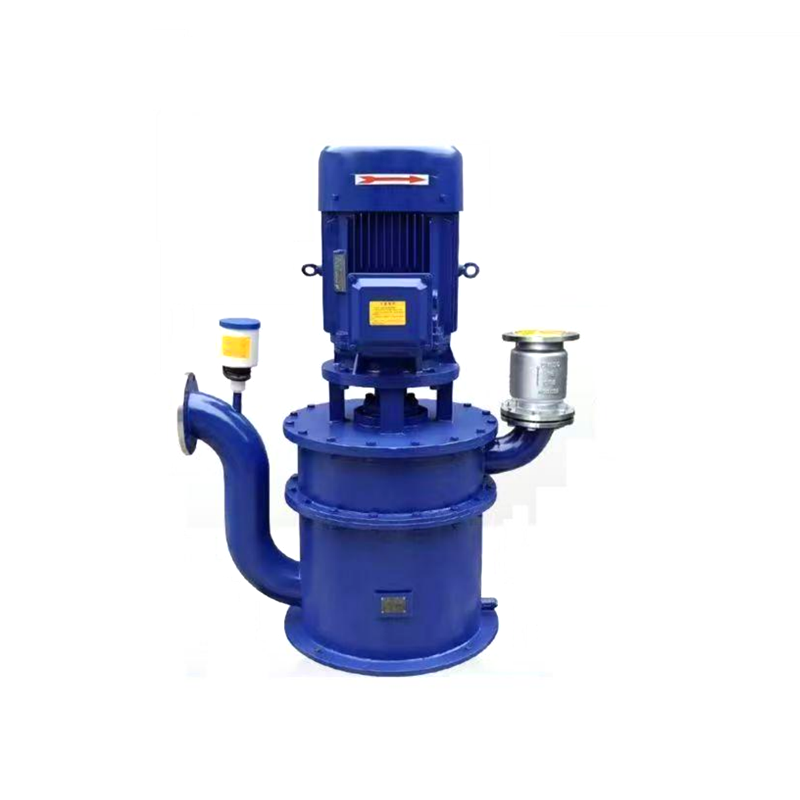
Choosing the right chemical pump depends on the compatibility between the pump's materials and the chemicals being transferred. Pumps made from materials like stainless steel, fluoroplastics, and other corrosion-resistant materials are ideal for handling aggressive substances like acids, alkalis, and solvents. Selecting the appropriate material ensures that the pump will function optimally and safely over time.
When selecting a chemical pump, it is crucial to consider the required flow rate and pressure. Pumps should be chosen based on the volume of fluid that needs to be transferred and the specific pressures required for the application. Incorrect selection can lead to inefficiencies or damage to the pump and the system.
The long-term durability of a chemical pump depends on the materials used and its design. Pumps made for challenging environments, like the pharmaceutical or chemical industries, are designed for minimal maintenance and extended operational life. Regular inspection and servicing help ensure that the pump continues to function reliably.
Chemical pumps are a significant investment. Energy-efficient models reduce operating costs, ensuring a more sustainable and cost-effective solution in the long run. When selecting a pump, businesses should consider its total cost of ownership, factoring in installation, maintenance, and operational costs.
Chemical pumps can experience clogging when particles, debris, or impurities accumulate in the fluid. This issue is especially prevalent with liquids containing suspended solids or those with high viscosity, such as slurries or thick chemicals. Clogging can reduce the pump’s efficiency, cause uneven flow, or even result in pump failure if left unchecked. To prevent clogging, it’s essential to install filtration systems that remove large particles before they reach the pump. Regular cleaning and maintenance of the pump, including checking for blockages in the inlet and outlet pipes, can help maintain smooth operation. For high-risk applications, self-cleaning pumps or filters might be necessary to avoid disruption to the system.
Due to continuous operation, chemical pumps are subjected to wear and tear, particularly when transferring abrasive or corrosive fluids. Over time, essential components like seals, gaskets, bearings, and impellers can degrade, reducing efficiency and increasing the risk of failure. Regular inspection is vital to identify signs of wear early, allowing for timely replacement of parts. Preventive maintenance not only helps extend the pump's life but also ensures the reliability of the system. Using pumps made from corrosion-resistant materials like stainless steel or fluoroplastic linings can also reduce wear and improve durability, especially in aggressive chemical environments. Choosing high-quality materials ensures that the pump can handle the harsh conditions without frequent breakdowns.
Leaks are a serious concern in chemical pumps, particularly in industries dealing with hazardous, toxic, or volatile fluids. The failure of seals is a common cause of leaks, which can lead to safety hazards, environmental damage, and costly downtime. Seals wear out over time due to mechanical stress, chemical exposure, or pressure changes within the system. To reduce the risk of leaks, it is essential to use pumps designed with advanced seal technology or magnetic drive pumps, which eliminate the need for traditional seals and significantly reduce the risk of leakage. Regular inspection of seals and gaskets is crucial to detect potential issues early and replace worn parts before they fail. Implementing a leak detection system can further enhance safety and prevent accidents by providing early warnings of seal failures or leaks.
Chemical pumps are critical components in industries that require the safe and efficient transfer of chemicals. Whether for pharmaceuticals, food production, or water treatment, choosing the right pump ensures reliable operation and enhances safety. Understanding the types, applications, and key considerations for selecting a chemical pump is crucial for optimizing your operations and minimizing risks.
Shanghai Diequan Water Pump (Group) Co., Ltd. offers a range of high-quality chemical pumps designed for durability and performance. Theirproductsprovide unmatched corrosion resistance and operational safety, adding value to any industry.
● Ensure proper chemical compatibility and maintenance for long-term pump performance and reliability.
● Regularly inspect seals and components to prevent leaks and extend the lifespan of chemical pumps.
A: Chemical pumps are specialized devices designed to transfer chemicals safely and efficiently. They are built to handle hazardous and corrosive substances in various industries, ensuring smooth and precise fluid movement.
A: Chemical pumps operate by creating a pressure differential, moving chemicals through the system. They can be centrifugal or positive displacement pumps, depending on the application and required flow rate.
A: Common types include centrifugal pumps, positive displacement pumps (gear, diaphragm, piston), and peristaltic pumps. Each type is suited for different chemical handling needs.
A: The material used in chemical pumps, such as stainless steel or fluoroplastics, ensures they resist corrosion and handle aggressive chemicals safely, which is crucial for maintaining pump performance and preventing leaks.


