
close
Choose Your Site
Global
Social Media


Have you ever noticed that pumps stay invisible until something floods or fails? One wrong pump choice can waste energy, damage equipment, and shut down a home or plant.This article tackles a simple but important question: what are the main types of pumps, and where does each one actually work best? We will look beyond model numbers and focus on how different pumps handle clean water, wastewater, chemicals, heat, and solids.In this article you will learn about key pump categories, how they operate, and the risks of using the wrong type. You will also see practical examples, like sewage ejector pumps in basements, to guide real-world selection.
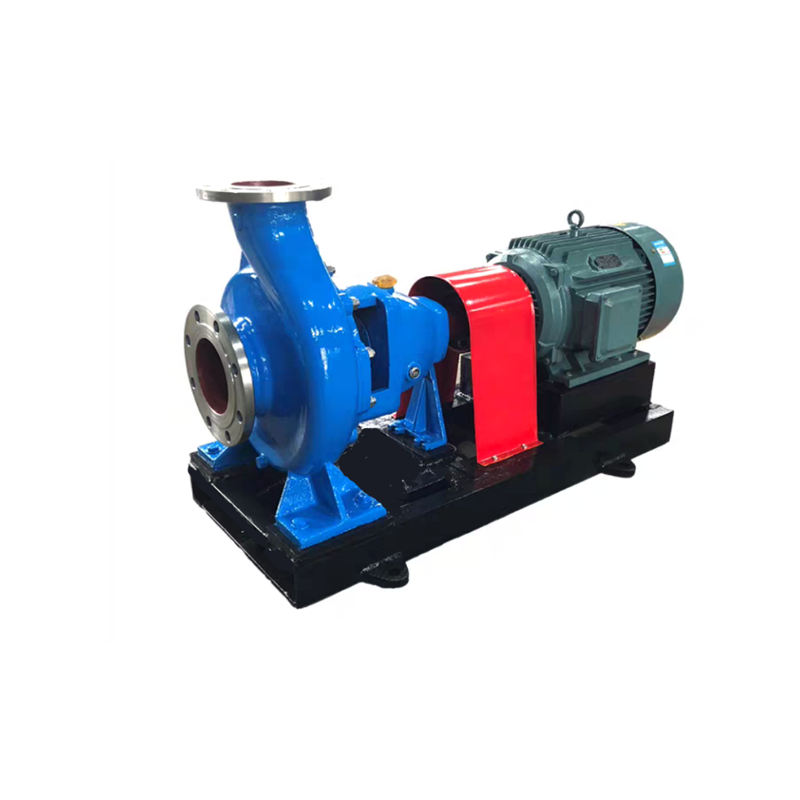
When people share a clear vocabulary, decisions become easier.Homeowners, facility managers, and engineers can align expectations faster.They can describe problems precisely instead of guessing blindly.If you understand basic pump types, you ask better questions.You can challenge oversizing and vague “safety factor” arguments.You can spot when a sump pump proposal seems wrong.You can see when a process really needs a metering pump.By the end, you should narrow choices more confidently.You will not design full systems alone, and that is fine.You will recognize which family of pumps likely fits best.
Engineers usually start classification using two big families.Dynamic pumps add velocity to fluid then convert velocity to pressure.The most common dynamic pumps are centrifugal, axial, and mixed-flow.Positive displacement pumps move a fixed volume every cycle.They trap fluid in chambers then push it along a casing.Common examples include reciprocating piston pumps and rotary gear pumps.Peristaltic pumps also fall into the positive displacement family.Dynamic pumps suit high flow, moderate pressure, relatively thin liquids.They like clean water, light chemicals, and HVAC circulation loops.Positive displacement pumps suit viscous fluids or high pressure duties.They are strong choices for oils, syrups, or chemical dosing.A simple rule helps during early screening stages.If you need smooth high flow, start considering centrifugal pumps.
A few basic terms help you compare pump types wisely.Flow rate describes how much fluid moves each minute.It usually appears as liters per minute or gallons per minute.Head describes how much pressure the pump must overcome.It combines elevation changes, pipe friction, and system pressure.Net Positive Suction Head (NPSH) describes suction conditions.If available NPSH is too low, the pump can cavitate.Cavitation damages impellers and destroys efficiency over time.Efficiency tells how well the pump turns power into flow.Higher efficiency means lower energy bills over many operating hours.Duty cycle describes how often and how long pumps operate.Some pumps can run continuously; others need rest periods.These parameters matter more than simple motor horsepower numbers.A slightly smaller, well-matched pump often beats a larger unit.Oversizing pumps increases cost, noise, and throttling losses.
Classification angle | Main options | Typical examples |
Operating principle | Dynamic, positive displacement | Centrifugal, gear, piston |
Fluid type | Clean, dirty, viscous, corrosive | Potable water, sewage, oil |
Installation style | Submersible, end-suction, inline, vertical turbine | Sump pits, booster sets |
Application | Domestic, HVAC, sewage, fire, process | Ejector systems, RO skids |
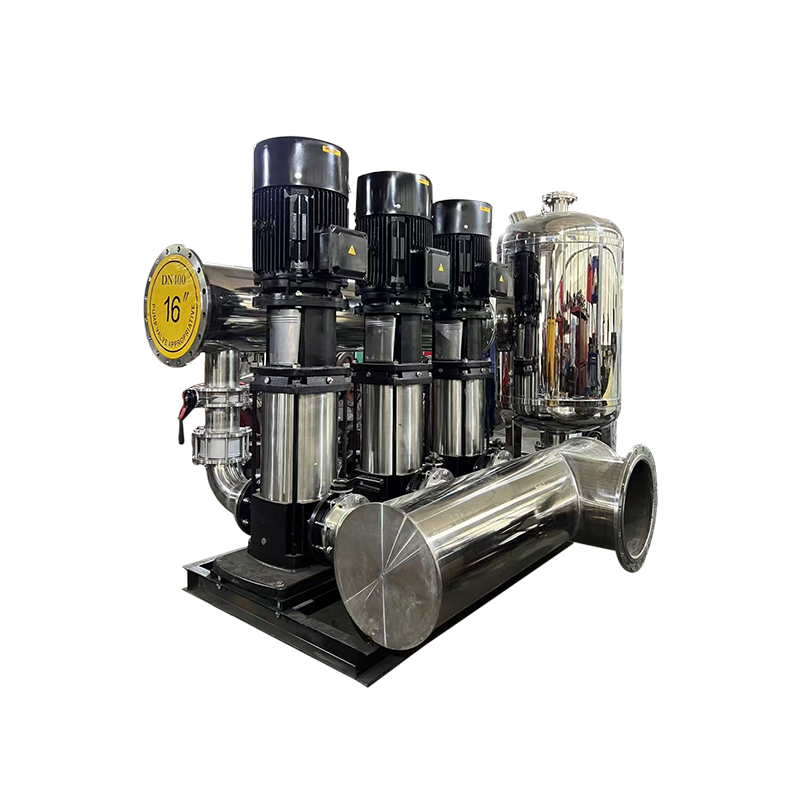
Centrifugal pumps are the most widely used pump family.They use a spinning impeller inside a volute shaped casing.Fluid enters near the center and exits at the outer rim.As it spins outward, its velocity increases, creating pressure.These pumps handle large flows of relatively clean, low viscosity liquids.They are common in municipal water systems and industrial cooling loops.They also serve as the backbone of many irrigation systems.Key advantages include simple design and low purchase cost.They are easy to service, and spare parts are widely available.They run smoothly when properly sized and aligned.Limitations appear when liquid becomes very thick or viscous.Performance also suffers when required pressure becomes extremely high.
Reciprocating pumps move fluid using a backwards-forwards motion.Pistons, plungers, or flexible diaphragms draw in fluid then discharge.Each stroke moves a fixed volume, giving accurate flow control.Piston and plunger pumps can reach very high pressures.They suit boiler feed, high pressure cleaning, and testing duties.
They also serve some oil and gas injection applications.Diaphragm pumps isolate the pumped fluid from moving parts.They are excellent for corrosive or hazardous chemicals.They also work well for low flow, accurate metering duties.Benefits include precise delivery, strong suction, and high pressure capability.Drawbacks include pulsating flow and more complex mechanical assemblies.Many systems add pulsation dampeners or accumulators for smoother operation.
Rotary pumps move fluid using rotating elements inside tight clearances.Fluid gets trapped in small cavities and carried from inlet to outlet.Gear pumps use intermeshing gears to move oils and fuels.They handle moderate pressures and moderate viscosities effectively.Screw pumps use one or several screws to move fluid smoothly.They handle higher viscosities and provide gentle, low pulsation flow.Vane pumps use sliding vanes inside an eccentric rotor cavity.They suit lubricating oils, fuels, and some hydraulic systems.Lobe pumps use rotating lobes that never quite touch each other.They can be designed for sanitary service in food and pharma.Rotary pumps shine when fluids are thick or require smooth flow.They struggle when liquids carry many hard solids or abrasives.
Any plumbing fixture below the main sewer line faces gravity problems.Basement bathrooms, laundry rooms, and floor drains cannot drain upward.Sewage ejector pumps solve this challenge reliably when sized correctly.A typical system includes a buried or floor-level basin.All lower fixtures drain into this sealed container.As wastewater rises, a float switch starts the ejector pump.The pump then discharges sewage up to the gravity sewer.When the level falls again, the pump shuts off automatically.The basin remains sealed, which controls odor and contamination.
Sewage pumps and sump pumps often share similar housings.However, their design tasks differ in important ways.Sewage pumps handle raw sewage containing solids and fibrous material.They have larger passages and impellers shaped for solids.They connect to sealed basins and vented discharge piping.Sump pumps handle relatively clean groundwater and seepage.They sit in open pits and move clear water outside.They are not built for continuous solids or toilet waste.Using a sump pump for sewage almost guarantees clogging problems.
Many treatment and production processes need precise chemical injection.Overdosing wastes chemicals; underdosing risks quality or regulatory issues.Metering pumps deliver consistent, adjustable flow at defined pressures.Diaphragm metering pumps isolate chemicals from mechanical parts fully.Plunger pumps handle higher pressures but need stronger sealing systems.Peristaltic metering pumps excel when fluids are corrosive or abrasive.Selection should consider accuracy, required turndown range, and compatibility.We also review maximum pressure and available control signals carefully.
Mines and some plants move slurries containing heavy solids.Standard pumps wear quickly under such abrasive service conditions.Slurry pumps use hardened materials and sometimes recessed impellers.They offer large clearances to allow solids passage.Engineers must understand solids size, density, and concentration.These variables strongly influence pump type and motor sizing.For very long pipelines, positive displacement slurry pumps may work better.They provide steady pressure and reduce velocity extremes in pipes.
Sanitary processes require clean, easily sterilized pump internals.Designs minimize crevices where product can stagnate and spoil.Hygienic centrifugal pumps handle many low viscosity food products.Lobe pumps and some diaphragm pumps handle thicker sauces or creams.Clean-in-place systems allow cleaning without disassembling pumps.They flush piping and pump internals using detergent and hot water.Engineers must balance gentle product handling against required throughput.Shear sensitive products may demand slower, positive displacement pumps.
Some systems need very high pressure compared to typical building systems.Boiler feedwater, reverse osmosis trains, and test rigs are examples.Multistage centrifugal pumps use several impellers to build high head.They deliver steady flow under continuous duty at elevated pressures.Reciprocating high-pressure pumps suit testing or injection applications.They can reach extremely high pressure at lower flow rates.Safety measures become critical at these high stress levels.Relief valves, proper piping design, and regular inspections are essential.Prompt: For process lines, document fluid properties and cleanliness expectations before shortlisting industrial pump families.
Effective selection always starts from the fluid being pumped.Ask simple questions before speaking with vendors or engineers.Is the fluid clean water, dirty water, or raw sewage?Does it carry sand, fibers, or other hard solids regularly?Is it thin like water or thick like heavy oil?Is it corrosive, toxic, or sensitive to shear forces?What is the minimum and maximum operating temperature range?These answers quickly narrow suitable pump categories.Sewage or slurry flows point toward solids-handling centrifugal pumps.Thick oils often favor rotary gear or screw pumps.Shear-sensitive biotech products might demand peristaltic or lobe pumps.
Once type is clear, we focus on sizing.We define required flow based on fixtures, processes, or occupancy.We calculate total dynamic head from elevation and friction losses.Many vendors provide simple worksheets helping estimate these values.Duty cycle also matters for motor heating and bearing life.Some pumps handle continuous duty; others suit intermittent operation only.Common mistakes include using large safety factors on every input.This stacks into extreme oversizing and unstable operation.
Lowest purchase price rarely gives lowest life-cycle cost.Over ten years, energy and maintenance usually dominate total cost.Higher efficiency pumps often repay their premium through savings.Variable-speed drives help match output to changing demand.They can cut energy use considerably in variable flow systems (validation required).Maintenance access also affects long-term cost.Pumps buried under piping racks cost more to service.Readily available spare parts reduce downtime and logistics risk.
Choosing the right pump type is essential for ensuring efficiency, cutting costs, and preventing system failures. Understanding the key categories—dynamic and positive displacement pumps—helps make informed decisions. It’s important to consider fluid properties, flow rates, and installation styles when selecting a pump. Whether the application is clean water, wastewater, or high-pressure processes, proper pump selection saves energy, reduces wear, and minimizes repair costs. By following these guidelines, you can confidently choose the best pump, ensuring long-term reliability and optimal performance.Shanghai Diequan Water Pump (Group) Co., Ltd offers reliable and efficient pump solutions. Their products provide long-term value by focusing on energy savings and minimizing maintenance needs.
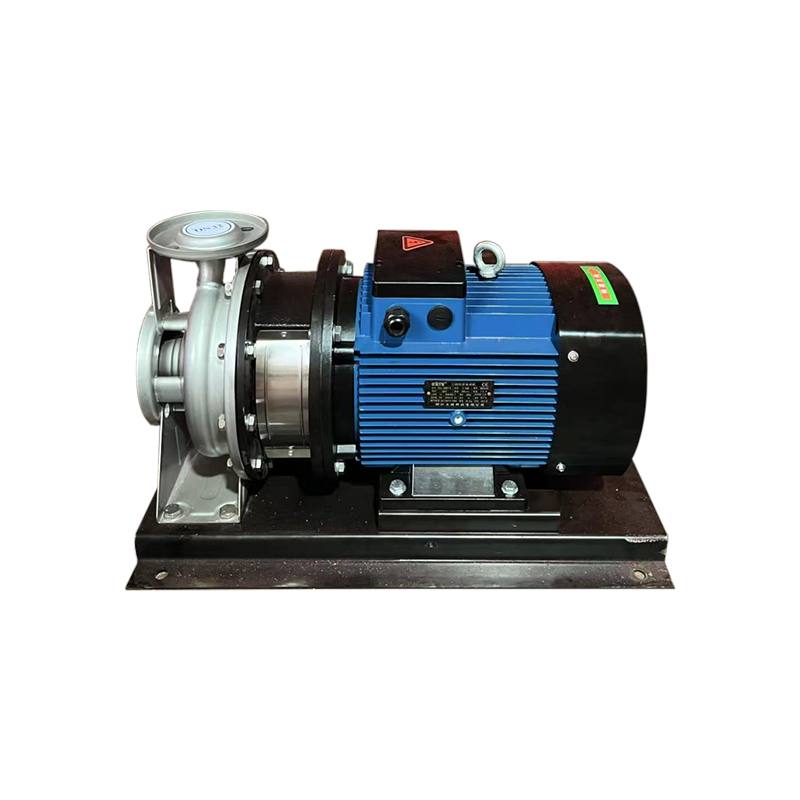
A: The main types of pumps are dynamic pumps (like centrifugal pumps) and positive displacement pumps (such as piston and diaphragm pumps). They are used for different applications based on fluid flow and pressure requirements.
A: Centrifugal pumps use a spinning impeller to add velocity to the fluid, converting that velocity into pressure. They are ideal for handling clean liquids at high flow rates.
A: Choosing the right pump ensures energy efficiency, prevents damage to equipment, and avoids costly maintenance. It also optimizes system performance.
A: Consider factors like fluid properties, flow rate, pressure requirements, and installation type. These help you match the right pump to your application.


